Free Shipping On All Orders Over AED500

Open vs Closed TV Cabinets: Which Is Better?

When it comes to furnishing your living room, choosing the right TV cabinet can be a challenge. One of the biggest decisions is whether to go with an open or closed design. Both styles have advantages and disadvantages depending on your storage needs, room layout, and overall aesthetic. This guide will help you understand the differences so you can make an informed choice for your home.

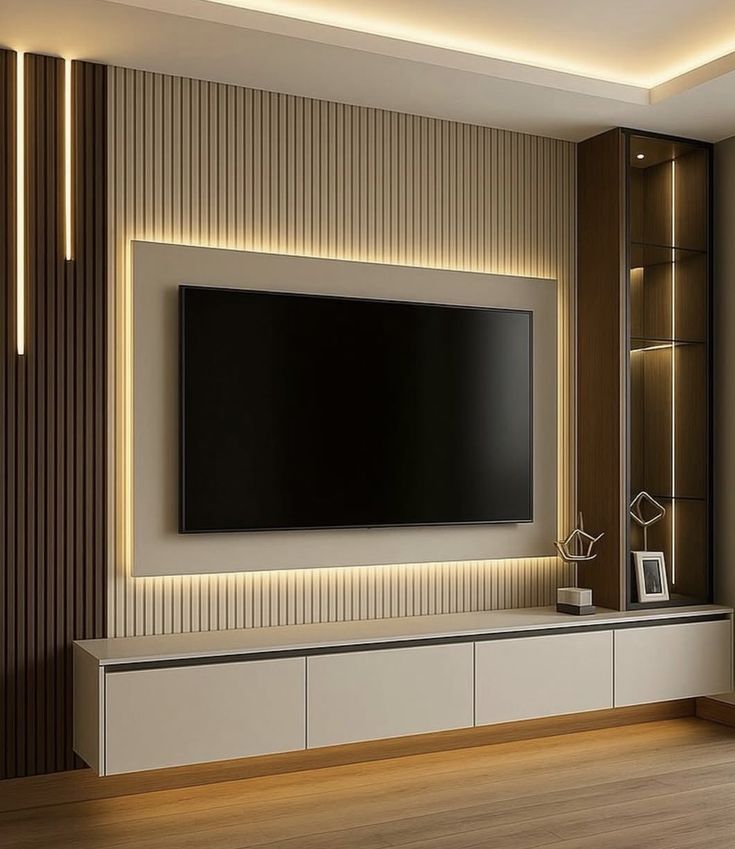
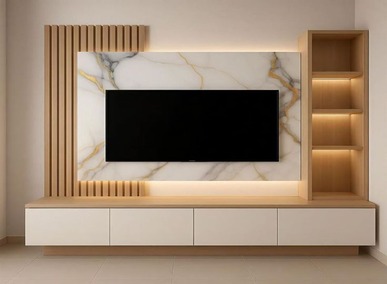
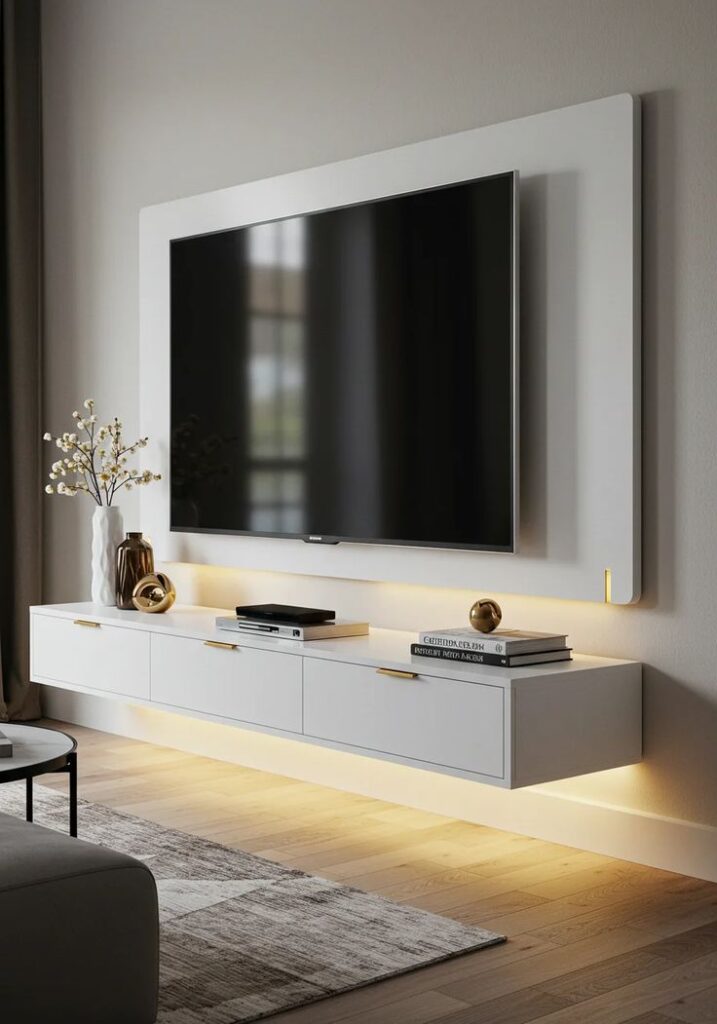
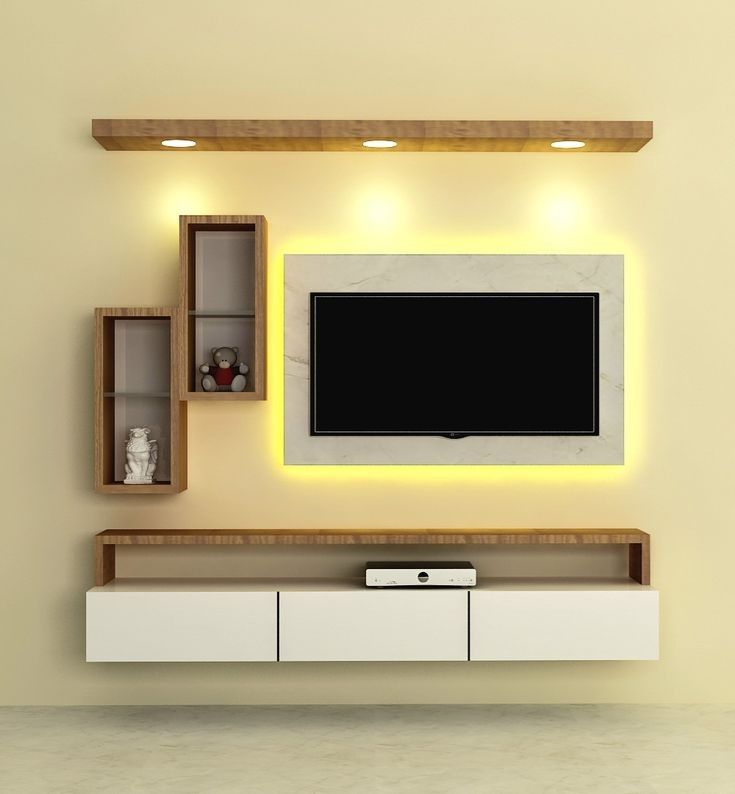
If you’re unsure which option is right for you, exploring TV cabinet storage solutions can help you see how each design works in practice and how it can keep your living room organized.
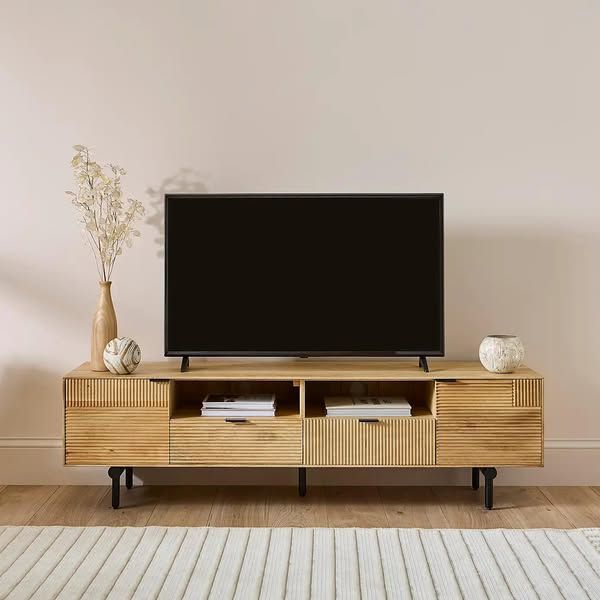
What Are Open TV Cabinets?

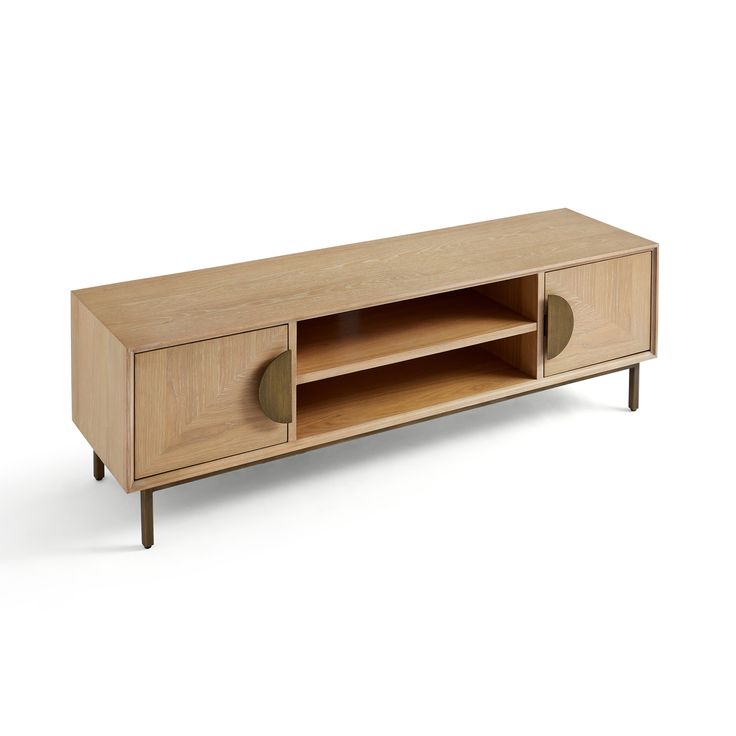
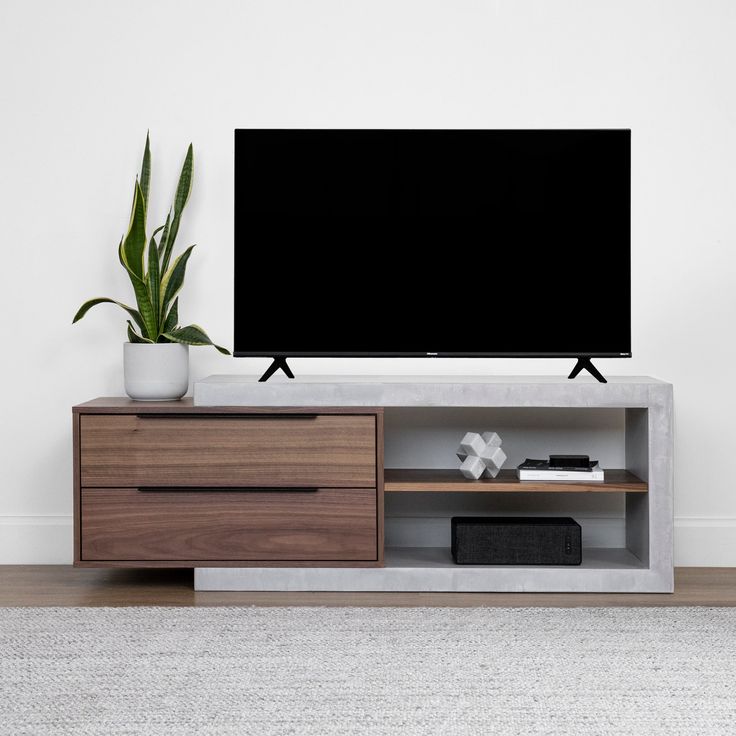
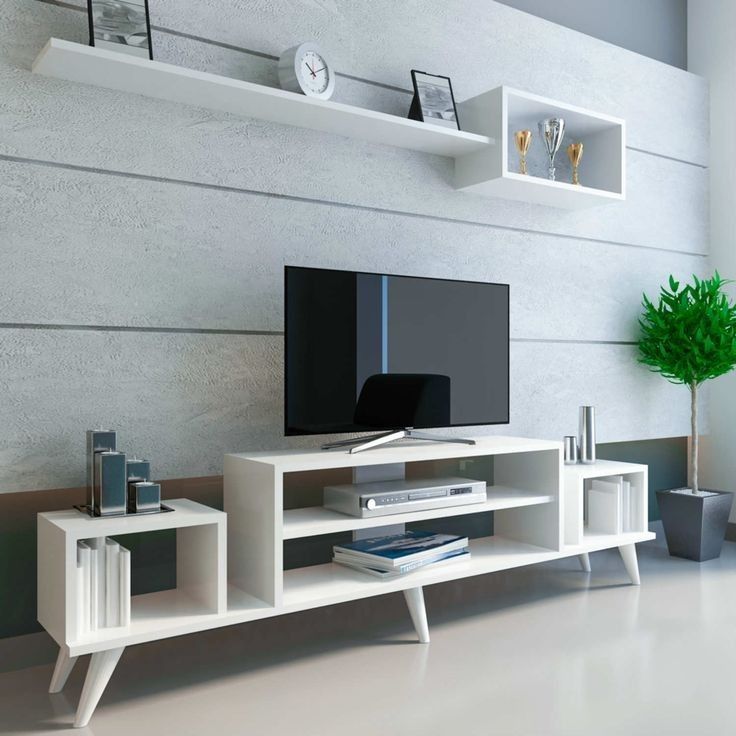
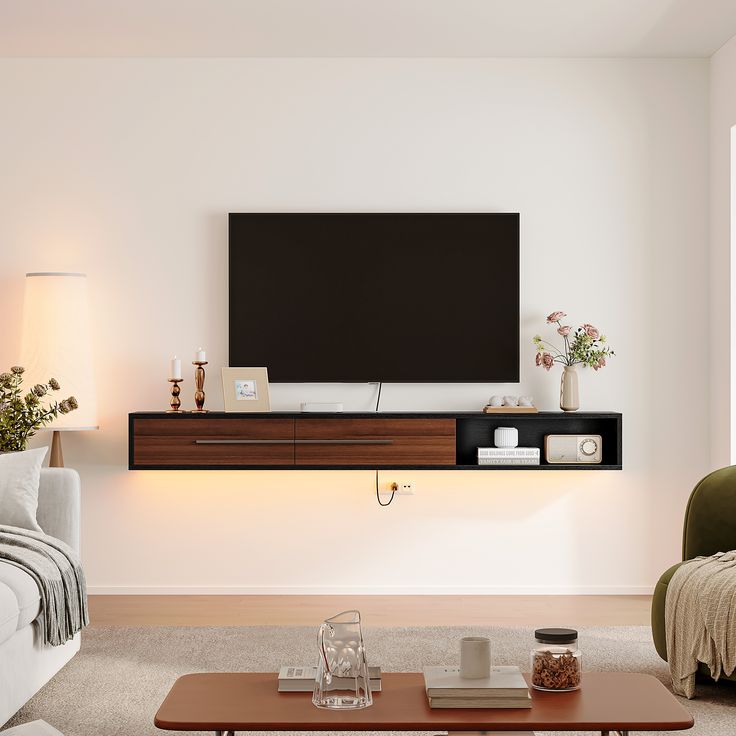
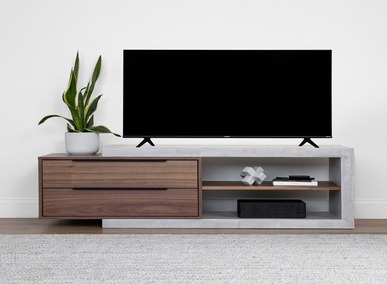
Open TV cabinets are furniture units with exposed shelves or compartments. They provide easy access to devices like gaming consoles, set-top boxes, and media players.

Advantages of Open TV Cabinets:

  • Quick and easy access to all devices
  • Better ventilation for electronics
  • Modern and minimalist look
  • Encourages display of decorative items

Disadvantages:

  • Wires and devices are visible, which can look cluttered
  • Dust accumulates faster on shelves
  • Limited to organized setups for a neat appearance

Open cabinets work best in modern or casual living rooms where you want an airy, open feel and don’t mind displaying your gadgets.
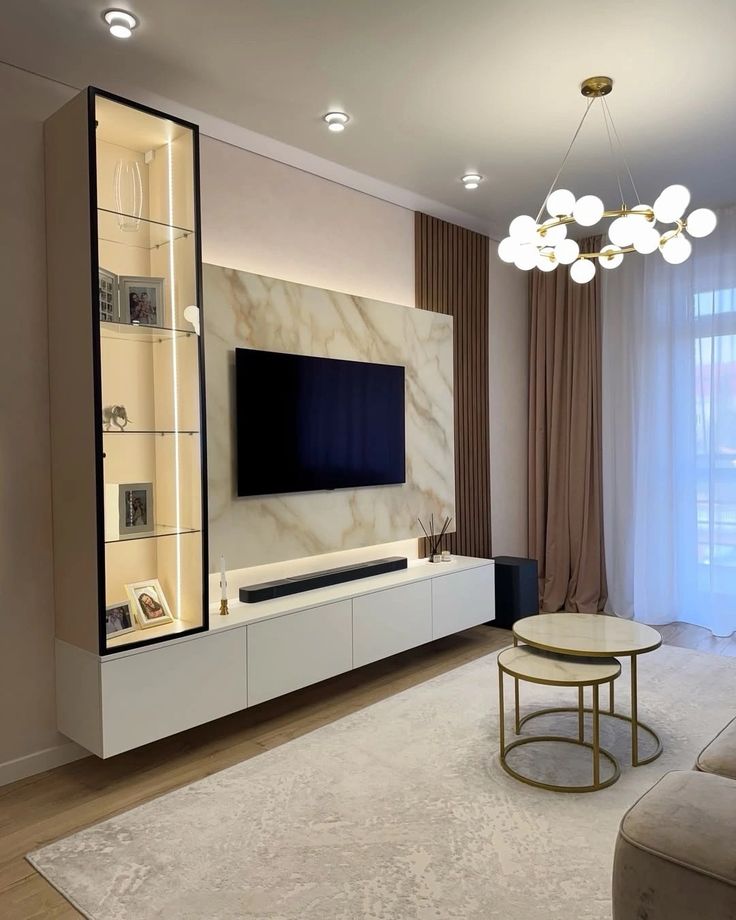
What Are Closed TV Cabinets?

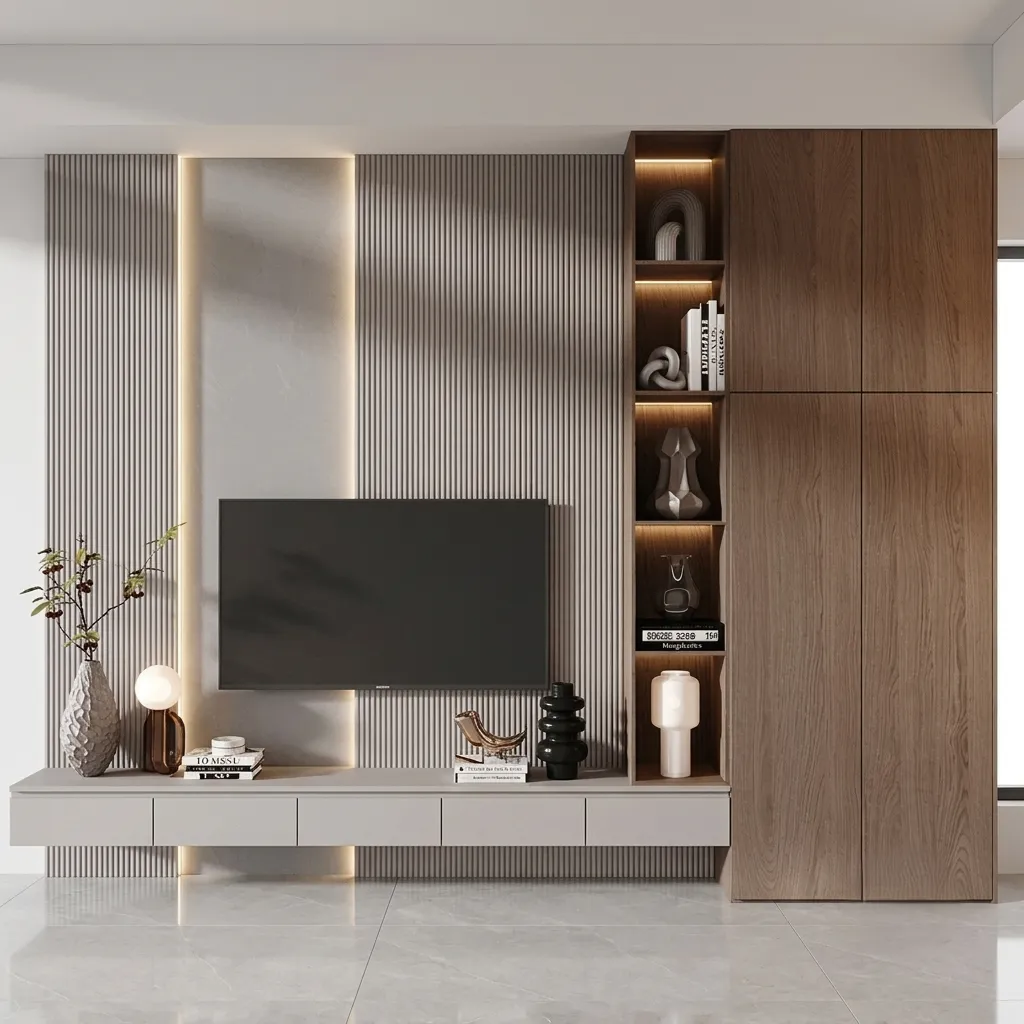
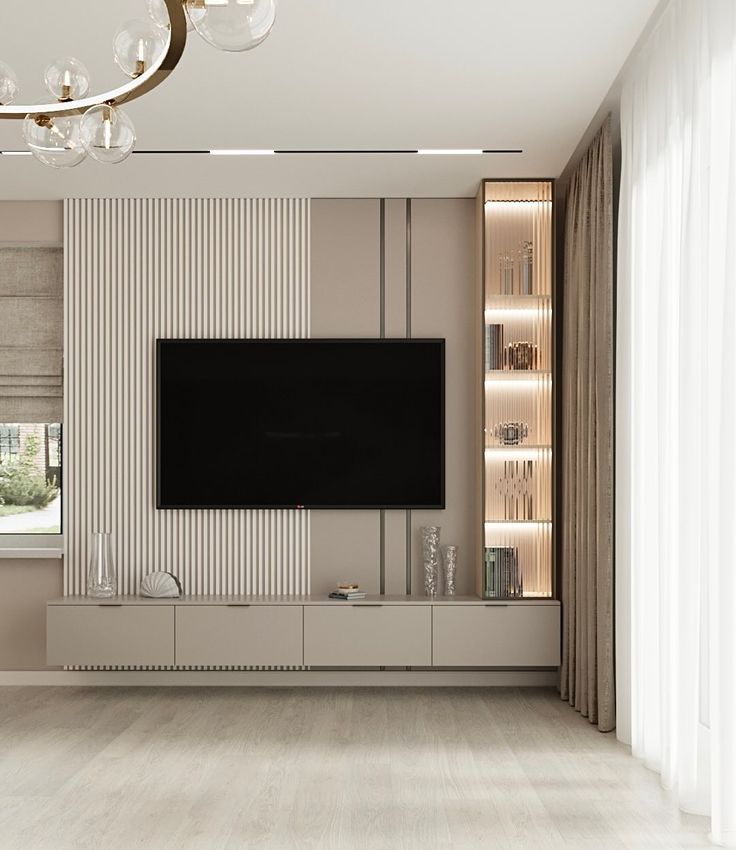
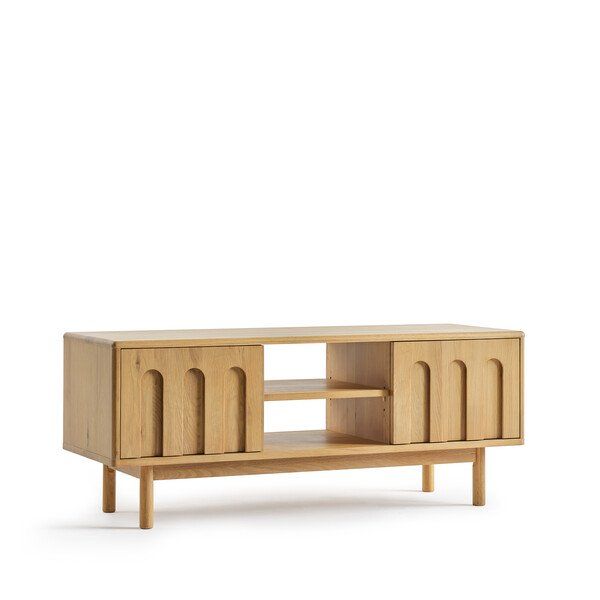
Closed TV cabinets have drawers, doors, or panels that conceal storage compartments. They provide a cleaner and more polished appearance.

Advantages of Closed TV Cabinets:

  • Can be safer if you have children or pets
  • Hides cables, devices, and clutter from view
  • Protects electronics from dust
  • Offers a more traditional or luxurious look

Disadvantages:

  • Accessing devices can be less convenient
  • Ventilation may be limited, so ensure proper airflow
  • Often larger and heavier, taking up more space

Closed cabinets are ideal for living rooms where you want a sleek, organized look and prefer to hide wires and accessories.

Key Differences Between Open and Closed TV Cabinets

Here’s a quick comparison to help you decide:

FeatureOpen TV CabinetClosed TV Cabinet
Storage VisibilityExposedHidden
Cable ManagementHarderEasier
Dust ProtectionLowHigh
StyleModern / CasualClassic / Luxury
Device AccessQuickSlower

Understanding these differences ensures you pick the cabinet that fits your lifestyle and room layout.

How to Choose the Right One

Consider the following factors before deciding:

  • Children/pets: Closed cabinets help protect items from accidental damage.
  • Room size: Open cabinets work well in smaller spaces; closed cabinets suit larger rooms.
  • Storage needs: If you have many devices or accessories, closed cabinets provide more hidden storage.
  • Design preference: Minimalist and modern? Open works. Sleek and formal? Closed works.
Related Products

Conclusion

Choosing between open vs closed TV cabinets depends on your storage needs, room aesthetics, and personal preference. Open cabinets are perfect for modern, accessible setups, while closed cabinets are ideal for a neat, organized, and dust-free look.

Exploring TV cabinet storage solutions can help you find a unit that balances both style and functionality. Take measurements, consider your electronics, and select the option that enhances your living room while keeping everything organized and visually appealing.
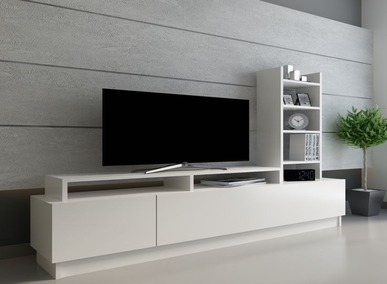
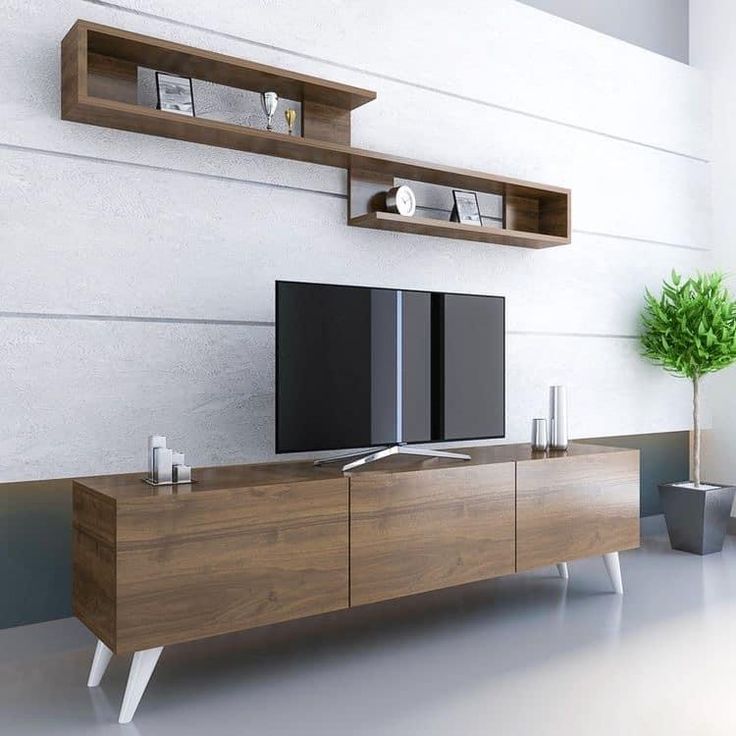
TV Cabinet vs TV Stand: What’s the Difference?

When setting up your living room, choosing between a TV cabinet and a TV stand can be confusing. Many homeowners use the terms interchangeably, but they are not exactly the same. Understanding the difference can help you choose the right furniture piece based on your storage needs, room size, and interior style. In this guide, we’ll break down everything you need to know about TV cabinet vs TV stand so you can make a smart buying decision.

If you are exploring different TV cabinet designs , knowing how they differ from standard TV stands will help you pick the perfect option for your home.

What Is a TV Stand?

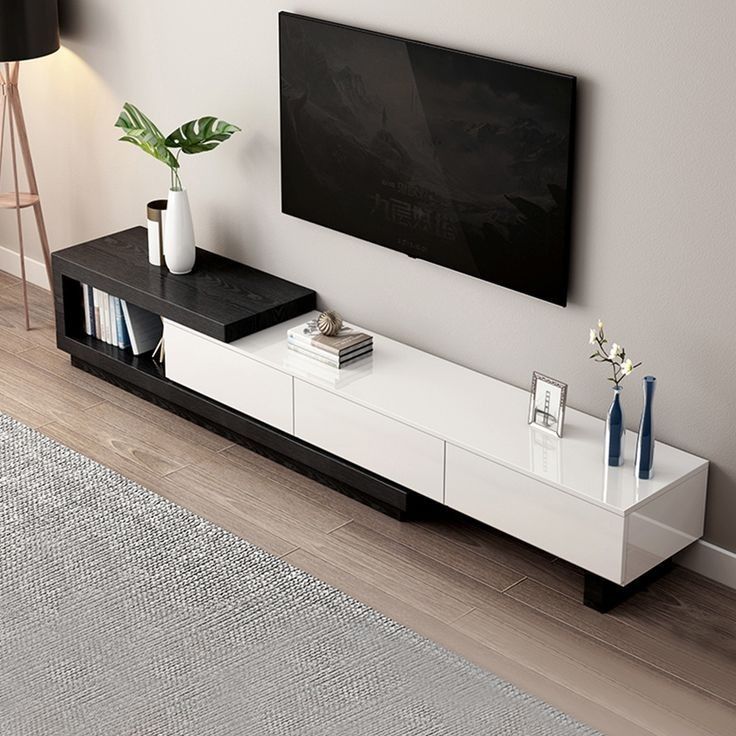
A TV stand is typically simpler and lighter in design. It mainly functions as a platform to place your television and may include open shelving underneath.

Key Features of a TV Stand:

  • Open shelves for easy access
  • Minimal storage options
  • Compact and lightweight
  • Suitable for small spaces
  • Budget-friendly option

TV stands are perfect for minimal setups where you don’t require extensive storage. They work well in apartments, bedrooms, or compact living rooms.

What Is a TV Cabinet?

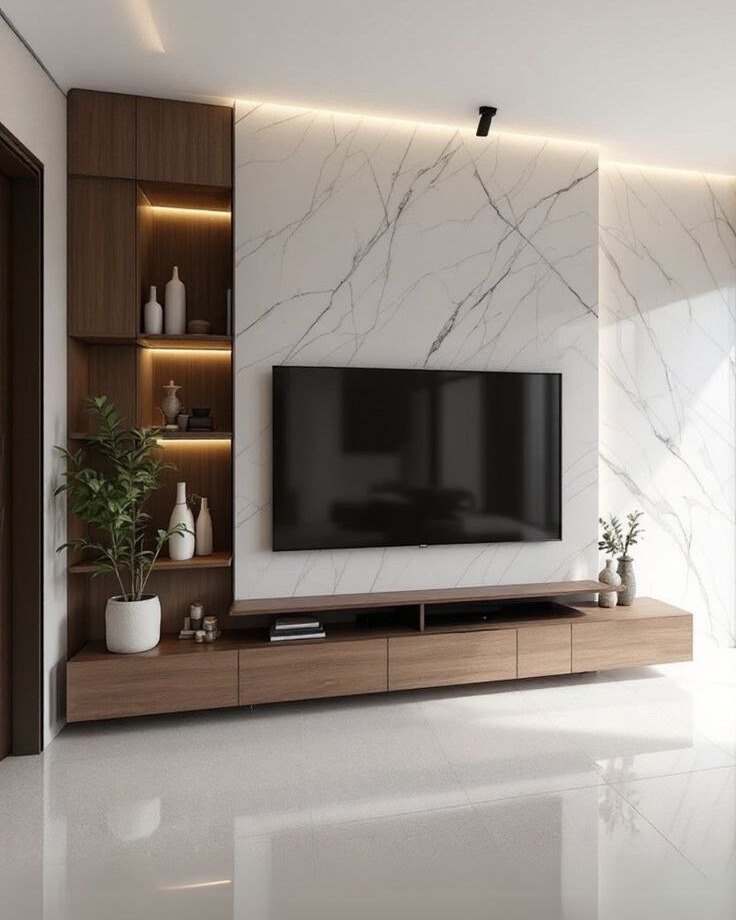
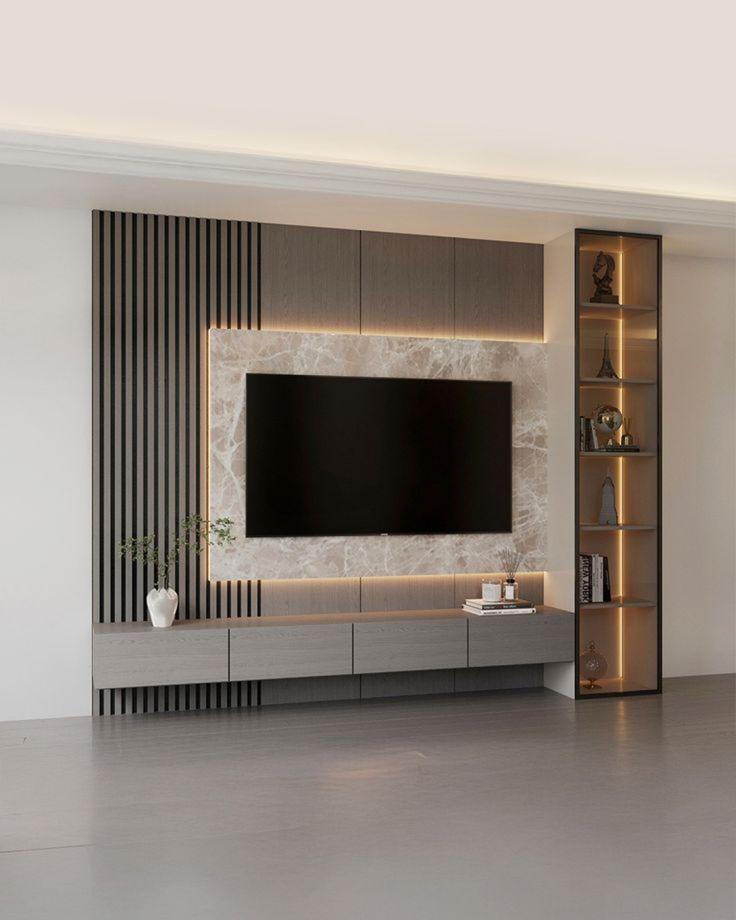
A TV cabinet is a larger, more structured furniture unit designed not only to hold your television but also to provide additional storage. It often includes drawers, closed compartments, shelves, and sometimes glass doors.

Key Features of a TV Cabinet:

Modern and luxury appearance

Enclosed storage for clutter-free organization

Multiple drawers and shelves

Strong and durable structure

Suitable for medium to large living rooms

TV cabinets are ideal for people who want to hide cables, store remotes, gaming consoles, and media accessories neatly. They offer a cleaner and more polished look in the living space.

Related Products

Major Differences Between TV Cabinet and TV Stand

Here’s a clear comparison to help you decide:

1. Storage Capacity

TV cabinets offer more enclosed storage, while TV stands usually have open shelves with limited compartments.

2. Design and Appearance

TV cabinets look more substantial and luxurious. TV stands have a simpler, minimalist design.

3. Space Requirement

TV cabinets need more floor space due to their size. TV stands are better for smaller areas.

4. Cable Management

Cabinets often come with built-in cable management solutions, helping maintain a clean look. TV stands may leave wires visible.

5. Price Range

TV cabinets are generally more expensive because of their size and storage features. TV stands are usually more affordable.

Which One Should You Choose?

Your decision depends on your lifestyle and room setup.

Choose a TV cabinet if:

  • You need extra storage
  • You want a premium look
  • You prefer concealed compartments
  • You have a spacious living room

Choose a TV stand if:

  • You’re working with a smaller budget
  • You have limited space
  • You prefer a minimalist style
  • You don’t need much storage

Consider Your Living Room Layout

Before purchasing, measure your space carefully. Ensure there is enough room for walking space around the furniture. Also consider the size of your TV — the unit should always be wider than the television for balance and stability.

Think about your interior style as well. A modern living room may suit a sleek cabinet with clean lines, while a casual setup might look great with a simple stand.

Final Thoughts

The debate between TV cabinet vs TV stand ultimately comes down to storage, space, and style preferences. If you want functionality with a refined look, a TV cabinet is often the better investment. However, if simplicity and space-saving design are your priorities, a TV stand will work perfectly.

Understanding these differences ensures you select furniture that complements your home while meeting your practical needs.

How to Hide Cables in a TV Cabinet

Messy cables can ruin the look of even the most stylish living room. A TV cabinet is not only a functional furniture piece but also a place to keep your wires organized and hidden. Knowing how to hide cables in a TV cabinet can make your setup look clean, organized, and professional. This guide will show you practical tips for cable management and give your living space a polished appearance.

Choose the Right TV Cabinet

The first step to hiding cables is selecting the right living room TV cabinet. Some cabinets come with built-in cable management features, such as:

  • Rear cut-outs for power cords and HDMI cables
  • Compartments or drawers to hide consoles and devices
  • Adjustable shelving to keep devices elevated

By choosing a cabinet designed for cable management, you can save time and avoid a cluttered setup.

Use Cable Management Accessories

Even with a good cabinet, extra accessories can make hiding wires easier. Some helpful items include:

  • Cable sleeves or covers to bundle multiple wires
  • Velcro straps to tie up loose cords
  • Cable clips to attach cords along cabinet edges
  • Raceways to run wires along walls or behind furniture

These tools prevent cables from tangling and keep them out of sight.

Position Devices Strategically

Placement of devices in your TV cabinet can reduce visible wires. Tips include:

  • Keep consoles, routers, and sound systems close to the TV to minimize cable length
  • Use back compartments to hide devices from direct view
  • Route cables behind furniture panels for a cleaner look

A strategic arrangement of devices reduces clutter and makes cable management much easier.

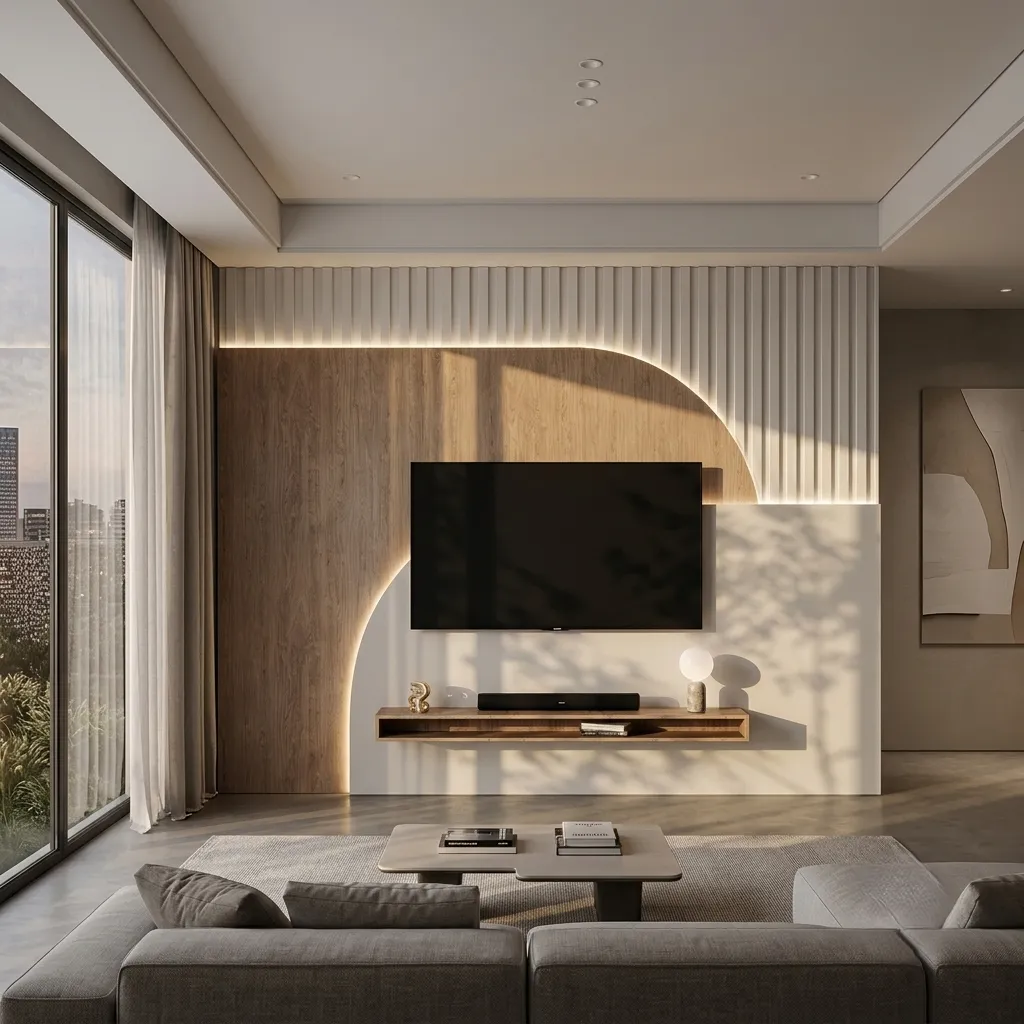
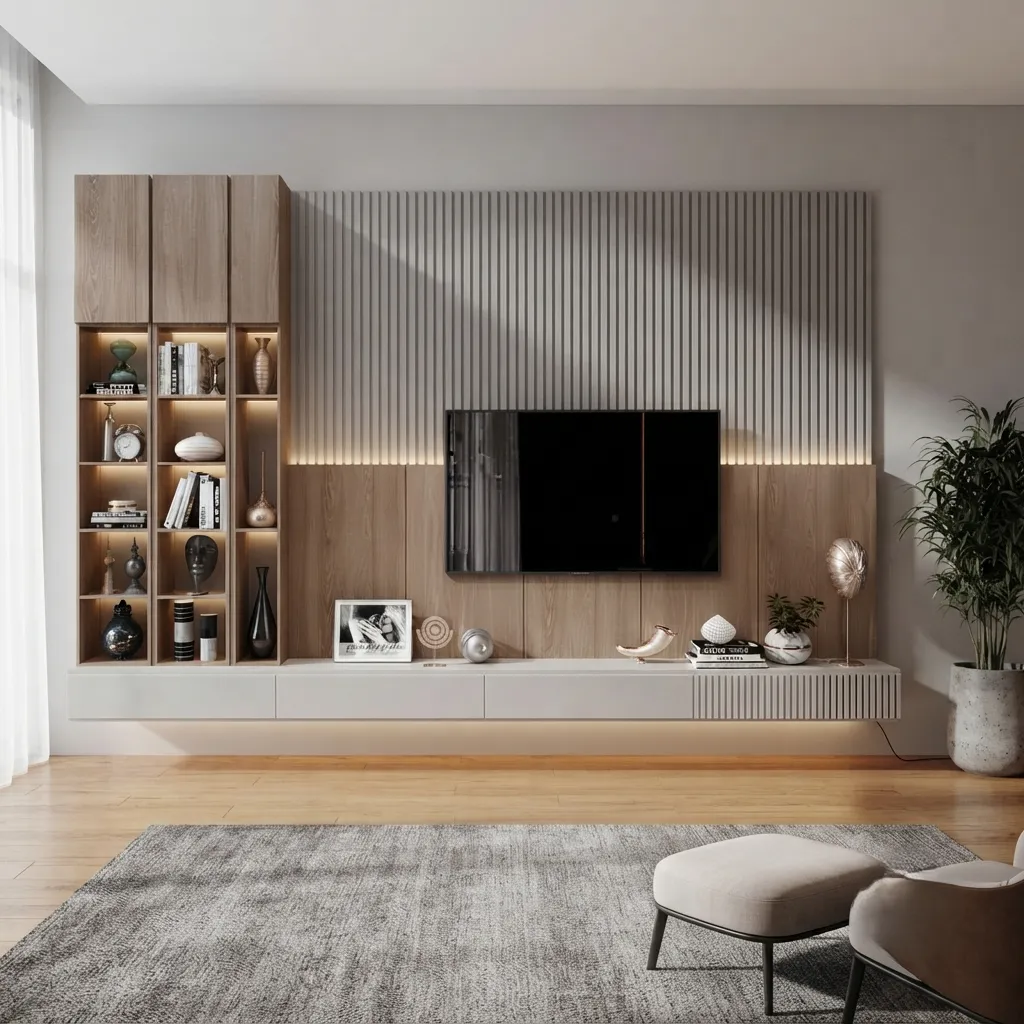
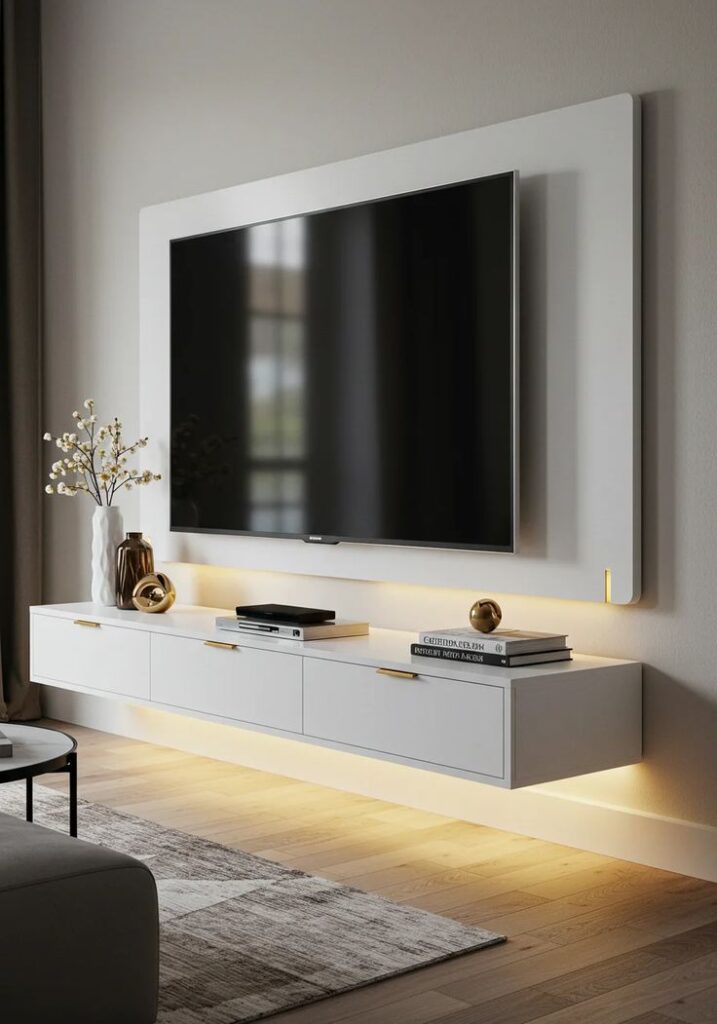
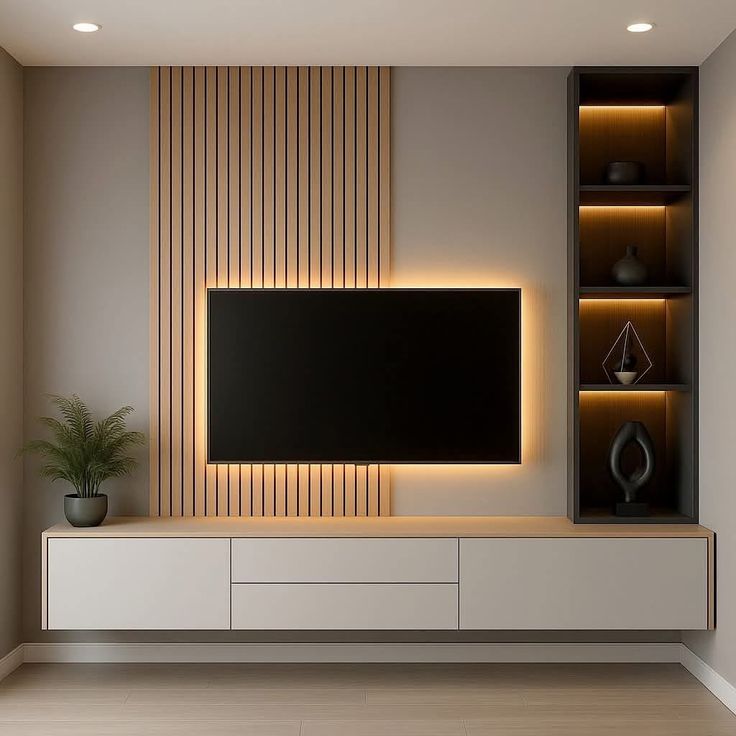
Consider Wall-Mounted or Floating Cabinets

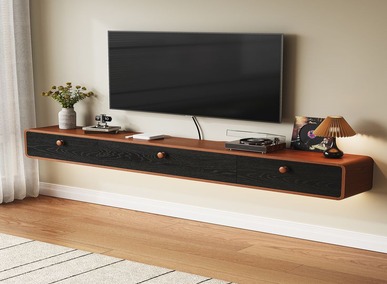
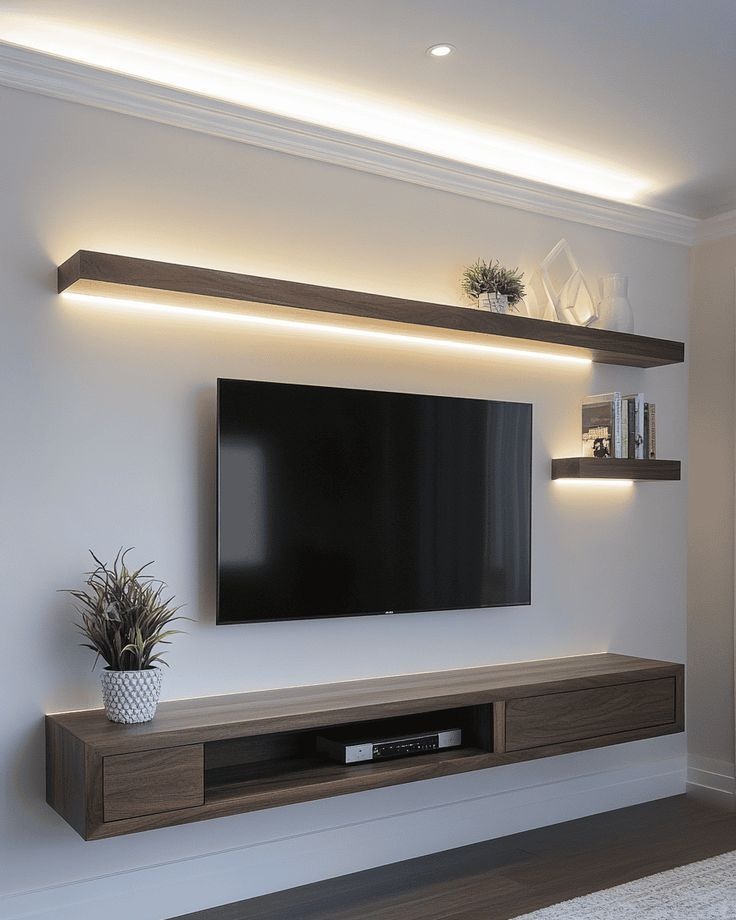
If you have a small living room, wall-mounted or floating TV cabinets can help hide cables more effectively. Benefits include:

  • Cables can be routed directly into the wall for a seamless look
  • Frees up floor space and creates a modern, minimalist appearance
  • Easier to clean around and under the cabinet

Floating designs also give you flexibility to hide wires behind panels or inside drawers.

Label and Organize Cables

Organizing cables is not just about hiding them — it’s about knowing which cord goes where. You can:

  • Use labels to identify HDMI, power, or audio cables
  • Color-code cords with tags or tape
  • Bundle similar wires together to avoid confusion

This saves time when upgrading devices or troubleshooting connection issues.

Keep It Clean and Accessible

While hiding cables is important, accessibility matters too. Ensure:

  • You can easily reach power outlets
  • Devices are ventilated to prevent overheating
  • Drawers and shelves allow easy access to ports

This balance between concealment and functionality ensures your living room stays neat without compromising performance.

Related Products

Conclusion

Hiding cables in a TV cabinet doesn’t have to be complicated. By choosing the right living room TV cabinet, using cable management accessories, strategically placing devices, and organizing wires properly, you can achieve a clean and organized entertainment setup. Follow these tips, and your living room will look clutter-free, stylish, and professional. Explore our collection of living room TV cabinets to find the perfect fit for your home.

TV Unit Size Guide: What Size TV Cabinet Do You Really Need?

Choosing the right TV unit is not just about style — size plays a crucial role in both comfort and aesthetics. A cabinet that is too small can look unstable, while one that is too large can overpower your living room. This TV unit size guide will help you understand what size TV cabinet you really need for your space, ensuring the perfect balance between functionality and design.

Before making a decision, it’s important to explore different size options available in the market. Browsing various right size tv cabinets can help you compare widths, heights, and storage features to find the ideal match for your living room layout. Understanding available dimensions makes it easier to avoid costly mistakes and choose a cabinet that complements your TV and room size.

Measure Your TV First

The most important step is measuring your television correctly. Many buyers guess the size and end up with a mismatched cabinet.

Keep these points in mind:

  • Measure the full width of your TV, not just the screen size
  • The cabinet should be at least 2–4 inches wider than your TV
  • Ensure the depth is enough to support the TV stand
  • Check the weight capacity of the cabinet

A properly sized cabinet improves stability and visual balance.

Consider Viewing Height

Comfortable viewing depends heavily on height. If the TV is placed too high or too low, it can strain your neck.

Ideal guidelines include:

  • The center of the screen should be at eye level when seated
  • Standard TV cabinet heights range between 45–60 cm
  • Adjust height based on your sofa level

This ensures long-term comfort while watching TV.

Match Cabinet Width to Wall Space

Even if the cabinet fits your TV, it must also suit your wall dimensions. Oversized furniture can make a small room feel cramped.

To maintain proportion:

  • Leave some empty wall space on either side
  • Avoid blocking windows or walkways
  • Ensure enough clearance for nearby furniture

A well-proportioned setup creates a clean and organized look.

Plan for Storage Needs

Size is not only about width and height — storage matters too. Think about what you need to place inside the cabinet.

Common storage considerations:

  • Gaming consoles
  • Sound systems or speakers
  • Set-top boxes and routers
  • Decorative items

If you have multiple devices, choose a slightly larger unit with shelves and cable management features.

Small Living Room vs Large Living Room

Your room size significantly affects cabinet choice.

For small living rooms:

  • Choose compact or wall-mounted units
  • Opt for light colors to create openness
  • Avoid bulky, oversized designs

For large living rooms:

  • Wider cabinets create balance
  • You can choose statement pieces
  • Additional side storage units can complement the setup

Selecting the right size based on room dimensions improves overall harmony.

Related Products

Future-Proof Your Purchase

Many people upgrade their TVs after a few years. Buying a cabinet that only fits your current TV can limit future options.

Consider:

  • Choosing a slightly wider cabinet
  • Ensuring flexible shelf space
  • Selecting durable material for long-term use

Planning ahead saves money and prevents early replacement.

Conclusion

Finding the right size TV cabinets requires careful measurement, planning, and understanding of your living space. By considering TV width, viewing height, wall dimensions, and storage needs, you can make a smart investment that enhances both comfort and design. Use this TV unit size guide as a reference before purchasing, and take your time comparing options to ensure the perfect fit for your home.

Common Mistakes to Avoid When Buying a TV Cabinet

When it comes to furnishing your living room, choosing the right TV cabinet is more important than it seems. A TV cabinet not only holds your television but also contributes to the style, functionality, and organization of your space. Unfortunately, many buyers make avoidable mistakes that lead to poor choices, wasted money, or cluttered spaces. In this guide, we’ll walk you through the common mistakes to avoid when buying a TV cabinet, so you can make an informed decision.

Explore Options Before Buying

One of the most frequent errors is not exploring different options on the market before making a purchase. For example, checking out our wide selection of modern tv cabinets can help you understand the variety of styles, sizes, and storage solutions available. Many buyers focus only on a single design or brand, which limits their options and may result in choosing a cabinet that doesn’t fit their living room or storage needs.

Measure Room and TV Size

Ignoring room and TV size is a major mistake. A cabinet should be proportional to both your television and the available wall space.

  • Too small a cabinet makes the TV overhang and look unstable
  • Too large a cabinet can overwhelm the room
  • Measure TV width and height and compare with cabinet dimensions
  • Ensure proper viewing distance for comfort

Consider Storage Requirements

A TV cabinet is not just for the television; it also stores media devices, gaming consoles, DVDs, and other essentials. Common mistakes include:

  • Underestimating or overestimating storage needs
  • Choosing a cabinet with too few drawers or shelves
  • Ignoring compartments for hiding cables and accessories

Check Material and Build Quality

Material and build quality affect durability and safety. Buyers often make the mistake of choosing cheap cabinets that don’t last. Look for:

  • Solid wood for long-lasting strength
  • Engineered wood for a budget-friendly but sturdy option
  • Smooth, even finishes that resist scratches and peeling
  • Weight capacity suitable for your TV

Match Design with Your Living Room

  • Design compatibility is essential for a cohesive look. Mistakes to avoid:
  • Choosing styles that don’t suit modern or traditional spaces.
  • Selecting a trendy design that clashes with your room décor
  • Ignoring the color and finish continuity with other furniture

Plan for Cable Management

Messy wires can ruin even the most elegant TV cabinet setup. Consider:

  • Rear cut-outs for cables
  • Hidden compartments for consoles and routers
  • Channels for organizing power strips and cords

Read Reviews and Check Warranties

  • Many buyers focus solely on price or appearance. Avoid these pitfalls by:
  • Confirming warranty coverage for defects or damage
  • Reading customer reviews for real-life feedback
  • Checking for assembly issues or missing parts

Related Products

Conclusion

By avoiding these common mistakes, you can choose a TV cabinet that is functional, stylish, and long-lasting. Careful attention to size, storage, material, design, cable management, and future needs ensures your living room remains organized and visually appealing. Explore options, compare designs, and invest wisely to enhance both the comfort and elegance of your home.
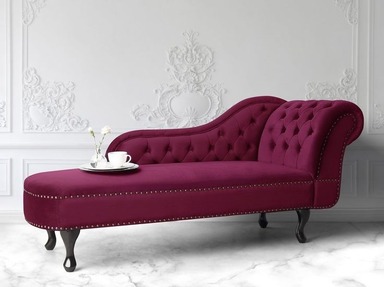
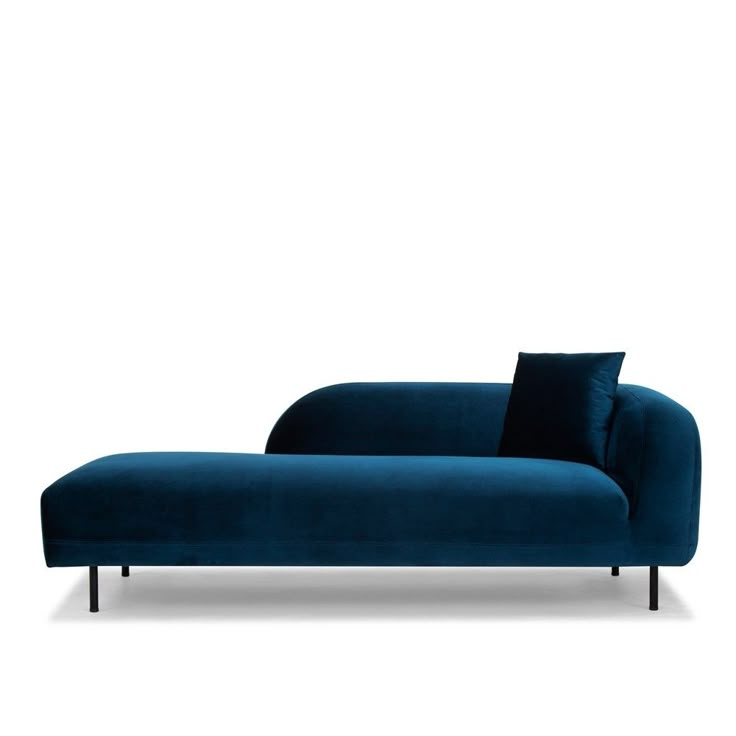
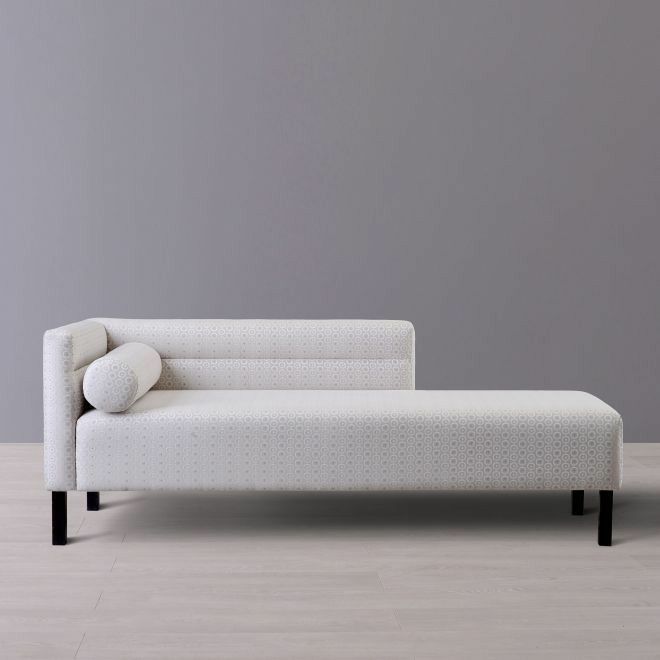
chaise lounge modern design

How to Mix and Match a Chaise Lounge Chair with Sofas and Sectionals

A chaise lounge chair is a versatile piece of furniture that can elevate the style and comfort of any living room. Beyond providing a cozy spot to relax, it can also act as a design focal point, complementing your sofa or sectional arrangement. However, mixing and matching a chaise lounge with existing seating requires careful planning to maintain balance, harmony, and functionality.

When designing your living area, it’s important to select the right chaise lounge that aligns with your room’s style, scale, and colour palette. Properly integrating it with sofas and sectionals ensures a cohesive, elegant look while creating an inviting space for relaxation and social gatherings.

Consider Room Layout and Size

Before adding a chaise lounge chair to your living room, evaluate the available space. Take precise measurements of your room, including walls, walkways, and seating areas.

  • Small spaces: Choose a compact chaise lounge or one with a sleek profile that doesn’t overcrowd the area.
  • Medium to large spaces: You can opt for larger chaise lounges, either standalone or attached to a sectional, to create a statement piece.
  • Placement tips: Position the chaise at an angle, next to a sofa, or as an extension of a sectional to optimise flow and maintain visual balance.

Match or Contrast Upholstery

The fabric and colour of your chaise lounge play a major role in creating harmony with your sofas or sectionals.

  1. Coordinated look: Choose upholstery in the same colour family or similar texture for a seamless, elegant appearance.
  2. Contrasting look: Pick a complementary or bold colour to make the chaise lounge a standout feature in your living room.
  3. Patterns and textures: Introduce subtle patterns or textures on the chaise to add depth without clashing with existing furniture.

Balance Scale and Proportion

Scale and proportion are key when mixing furniture pieces. A chaise lounge that is too large can overpower your sofa, while a small one may look out of place.

  • Measure sofa and sectional dimensions to select a chaise lounge that feels balanced.
  • Consider arm height and seat depth to ensure comfort and visual symmetry.
  • Avoid overcrowding by leaving at least 2–3 feet of walkway around the chaise lounge.

Related Products

Complement with Accessories

Accessories can unify your chaise lounge with your other seating elements:

  • Throw pillows: Use matching or coordinating pillows to tie the chaise and sofa together.
  • Area rugs: Place both pieces on the same rug to define the seating zone.
  • Side tables: Include a side table near the chaise for added convenience and balance.

Decide Between Standalone or Sectional Attachment

Chaise lounges can either be standalone pieces or part of a sectional:

  • Standalone chaise: Offers flexibility to move and reposition the lounge. Ideal for creating a reading nook or accent seating.
  • Attached chaise on sectional: Provides an integrated look and maximises seating in one cohesive unit.

Consider Style Consistency

While mixing styles is possible, maintaining some consistency ensures a polished result:

  • Pair modern chaise lounges with contemporary sofas or sectionals.
  • Traditional chaise designs work well with classic or vintage-inspired seating.
  • Transitional styles can blend modern and classic elements, offering versatility.

Final Thoughts

A chaise lounge chair is a perfect way to enhance both style and comfort in your living room. By carefully considering layout, upholstery, proportion, and accessories, you can mix and match it with your sofas and sectionals effortlessly. Whether you choose a bold, standalone chaise or an integrated piece with a sectional, this furniture addition will elevate your space while offering functional, comfortable seating.

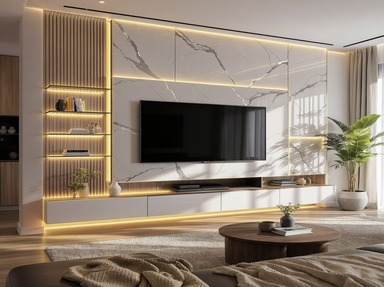
tv unit design uae

Custom TV Unit Design vs Ready-Made Options – What to Choose?

Choosing the right setup for your television area plays a major role in enhancing both comfort and visual appeal in a living room. A well-planned arrangement helps organise entertainment accessories, improves storage, and complements the overall interior style. With a wide range of choices available in the market, homeowners often find themselves deciding between customised furniture and ready-made solutions. Understanding the benefits and limitations of both options can help you select the most suitable piece for your home.

While exploring different furniture styles, many homeowners compare customised solutions with ready-made TV cabinets to determine which option offers better convenience, durability, and aesthetic value. Each choice comes with its own advantages depending on your space, budget, and personal preferences.

tv unit designs stylish
tv console designs
Storage tv unit

What is a Custom TV Unit Design?

Custom-built units are designed specifically according to your room dimensions and interior theme. These pieces are created based on individual requirements, ensuring they blend perfectly with your existing décor. One of the biggest advantages of custom furniture is efficient space utilisation. Whether you have a compact apartment or a spacious villa, a customised unit can be crafted to fit your wall measurements perfectly without leaving unused gaps.

Advantages of Custom TV Unit Design

  1. Perfect space utilisation helps maximise wall area and avoids unused spaces
  2. Freedom to select materials, finishes, colours, and storage layouts
  3. Allows better organisation with shelves, drawers, and hidden cable management
  4. Creates a unique and premium appearance that enhances interior décor
  5. Ideal for matching furniture with luxury or theme-based interiors

Custom-built units offer flexibility and exclusivity, but they may require higher investment and longer manufacturing time. Proper planning and accurate measurements are essential to achieve the desired result.

What are Ready-Made TV Units?

Ready-made options are pre-designed furniture pieces available in standard sizes and popular styles. These units are widely accessible in furniture stores and online marketplaces, making them a convenient choice for those looking for immediate installation. Mass production makes these units more affordable, and they are available in various contemporary and classic designs suitable for most living rooms.

Advantages of Ready-Made TV Units

  1. Quick availability allows immediate purchase and installation
  2. Budget-friendly pricing compared to customised furniture
  3. Available in multiple designs suitable for modern and traditional interiors
  4. Easy to replace or upgrade during renovation or relocation
  5. Requires less planning and measurement effort

Despite their convenience, ready-made units come with certain limitations. Since they are manufactured in standard dimensions, they may not always fit perfectly into your available wall space. Storage configurations are also fixed, which means you may have limited flexibility when organising accessories or electronic devices. Matching ready-made furniture precisely with existing décor themes can sometimes be challenging.

Related Products

Factors to Consider Before Making a Choice

When choosing between customised and ready-made options, homeowners should carefully evaluate the following aspects:

  1. Available wall space and room layout
  2. Storage requirements for media accessories and décor items
  3. Budget and long-term investment plans
  4. Interior design theme and personal style preference
  5. Installation timeline and convenience

Which Option is Better for Your Home?

Custom-built units are suitable for individuals who want personalised styling, efficient storage planning, and seamless integration with their interiors. They are especially beneficial for uniquely designed homes where standard furniture may not meet design expectations. These units help create a visually balanced and organised entertainment area that reflects individual taste.

Ready-made units are ideal for homeowners looking for convenience, affordability, and quick furnishing solutions. They are particularly useful for rental properties, temporary setups, or quick interior upgrades. These units offer reliable functionality without requiring extensive planning or waiting periods.

Final Thoughts

Both options provide practical benefits, and selecting the right one depends on individual preferences and living space requirements. By analysing your storage needs, room dimensions, and design goals, you can choose a television unit that improves organisation while enhancing the overall appearance of your entertainment area. A well-chosen unit not only supports your television but also adds character, functionality, and balance to your living room interior.

FlexiHaven U-Shape Sofa Bed

FlexiHaven U-Shape Sofa Bed

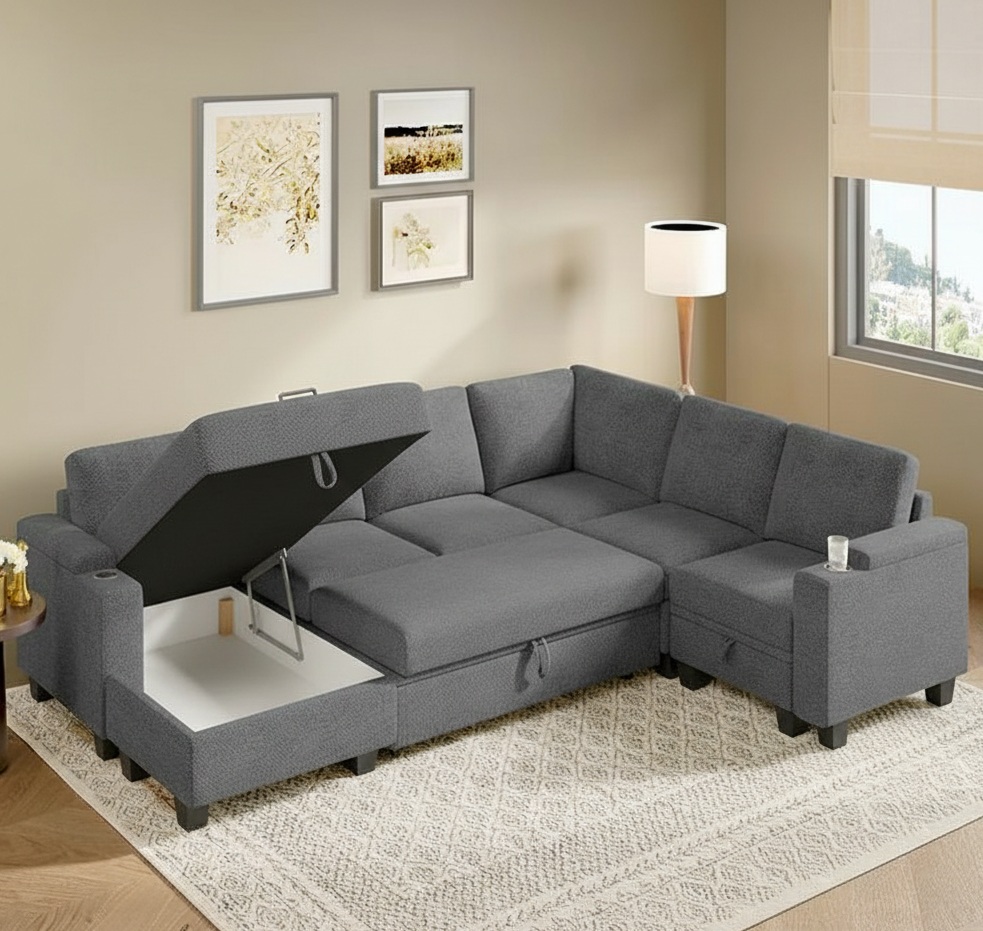
The FlexiHaven U-Shape Sofa Bed is a refined seating solution crafted for modern homes that value both comfort and versatility. Its expansive U-shaped layout creates a welcoming space for family gatherings, relaxed evenings, and effortless entertaining, making it a centerpiece for contemporary living rooms.

Expertly upholstered in high-quality fabric, this sofa offers a soft yet supportive seating experience. The deep cushions provide lasting comfort, while the sturdy internal structure ensures durability for daily use. Designed with practicality in mind, the sofa easily converts into a spacious bed, delivering a smooth and supportive sleeping surface for guests or extended lounging.

Size : W 420 x D 160 x H 70 cm

ZEVYX Flowform Sculpt Sofa

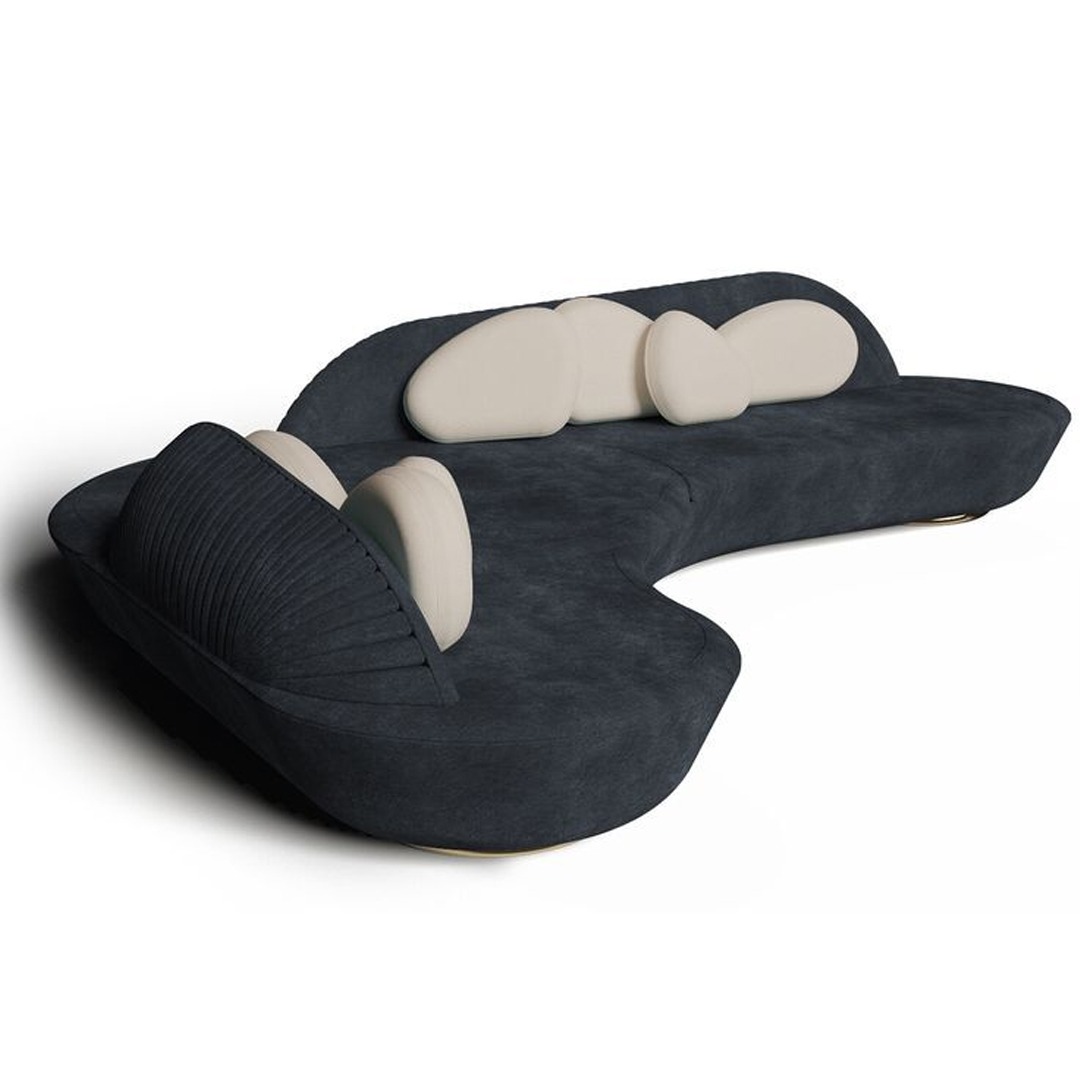
The ZEVYX Flowform Sculpt Sofa is a striking fusion of art and comfort, designed for bold contemporary interiors. Its fluid, asymmetric silhouette is inspired by organic geometry, creating a sculptural presence that instantly elevates any space. Upholstered in premium soft-touch fabric with uniquely contoured cushions, this sofa offers both visual drama and relaxed lounging. Ideal for luxury homes, designer lounges, and statement living rooms in Dubai, the ZEVYX sofa is not just furniture—it’s functional art.

Size : W 280 x D 180 x H 75

Zypheron Sculpted Comfort Sofa

Zypheron Sculpted Comfort Sofa

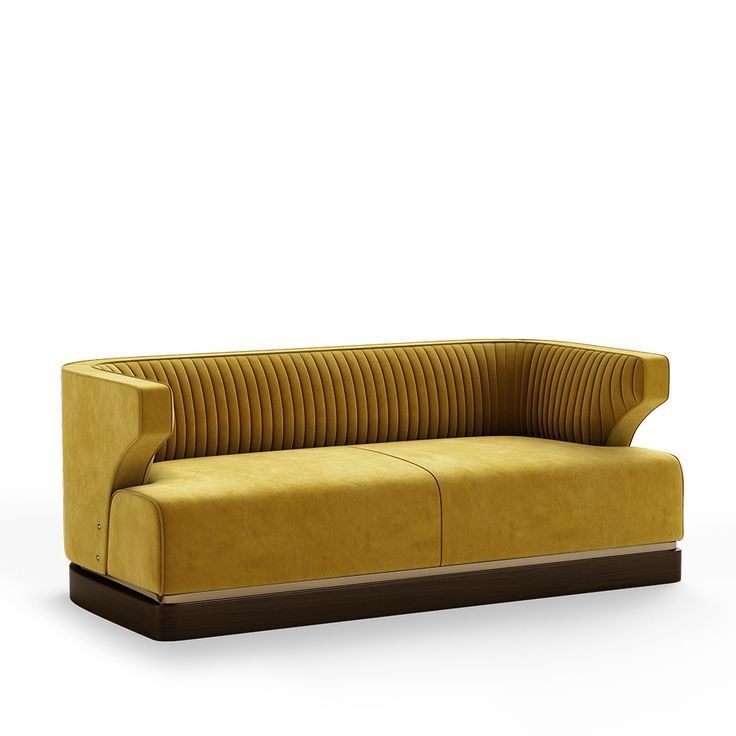
The Zypheron Sculpted Comfort Sofa is a refined blend of modern design and luxurious comfort. Featuring a gracefully curved silhouette with deep channel tufting along the backrest, this sofa delivers both visual appeal and ergonomic support. Upholstered in a rich mustard tone, it adds warmth and character to contemporary living spaces. Its solid base and plush cushioning make it ideal for elegant living rooms, lounges, and luxury interiors.

Size : W 220 x D 90 x H 80

Back to Top
Product has been added to your cart
Compare (0)