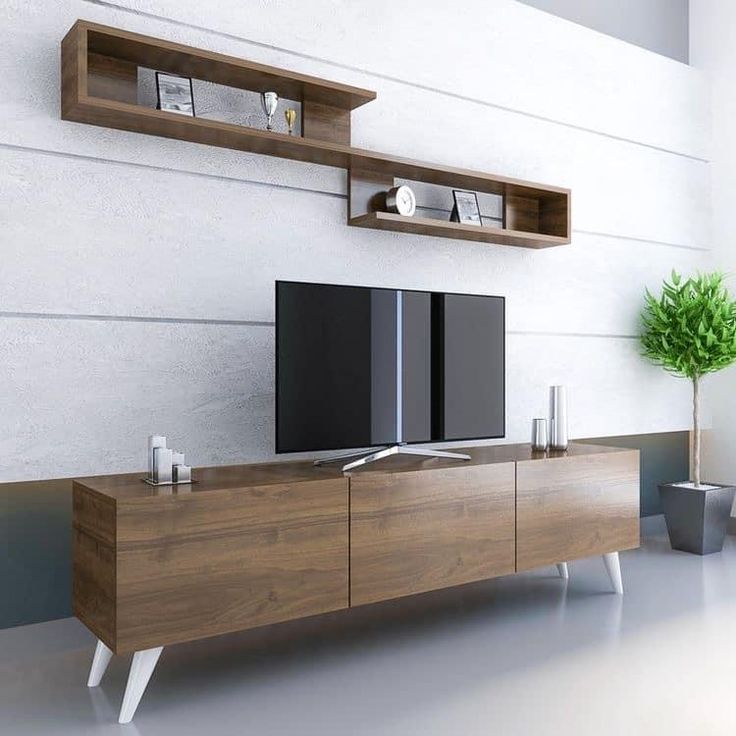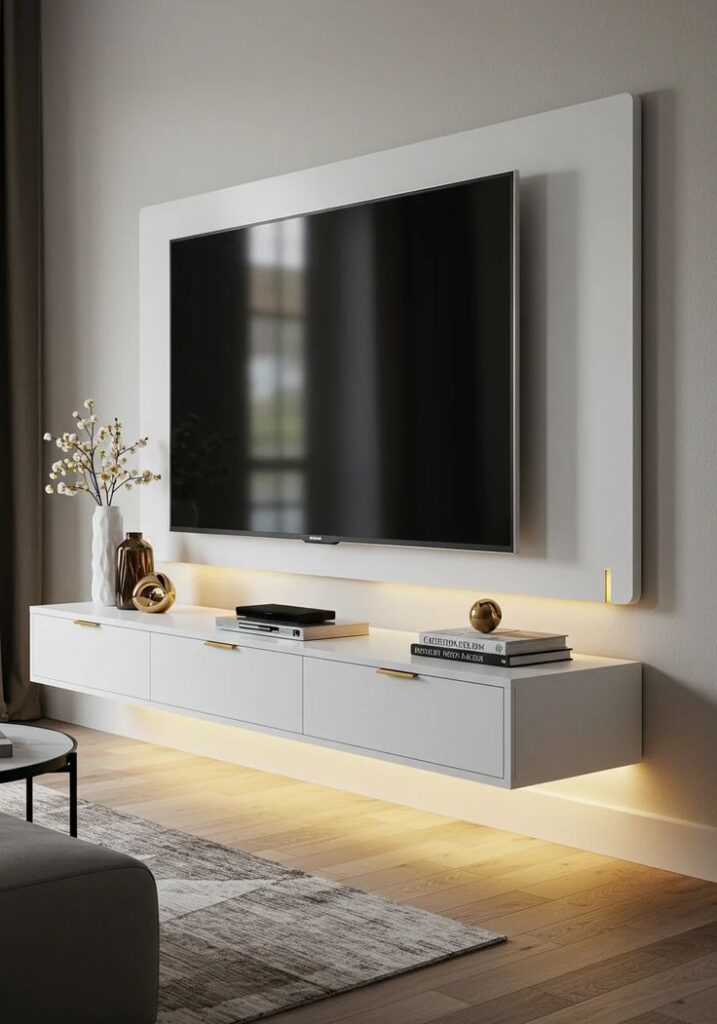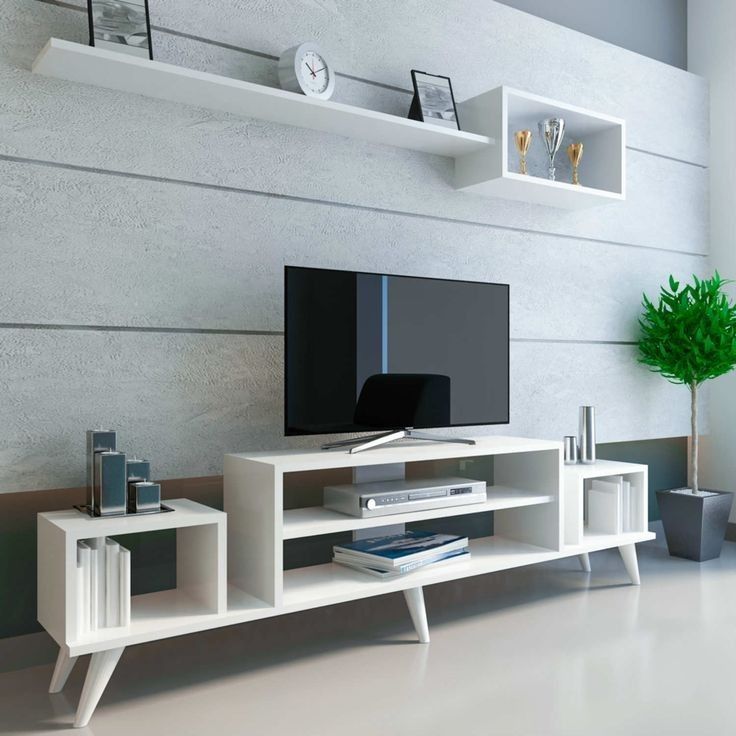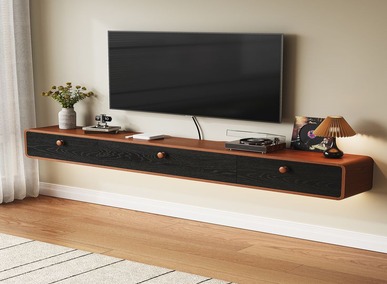
Free Shipping On All Orders Over AED500

Common TV Cabinet Placement Mistakes to Avoid

Arranging your living room furniture might seem simple, but improper placement of a TV cabinet can affect both comfort and aesthetics. Many homeowners unknowingly make mistakes that lead to poor viewing experiences, clutter, and even safety issues. This guide will help you identify common TV cabinet placement mistakes and ensure your living space looks organized and functional.

If you want a smooth setup, following the best TV cabinet setup principles can save you time and avoid costly rearrangements.
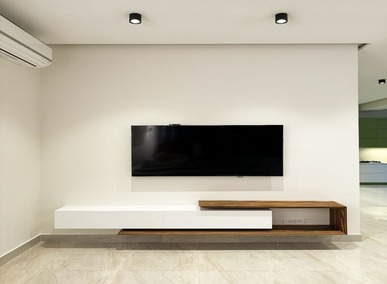
Mistake 1: Ignoring Viewing Height

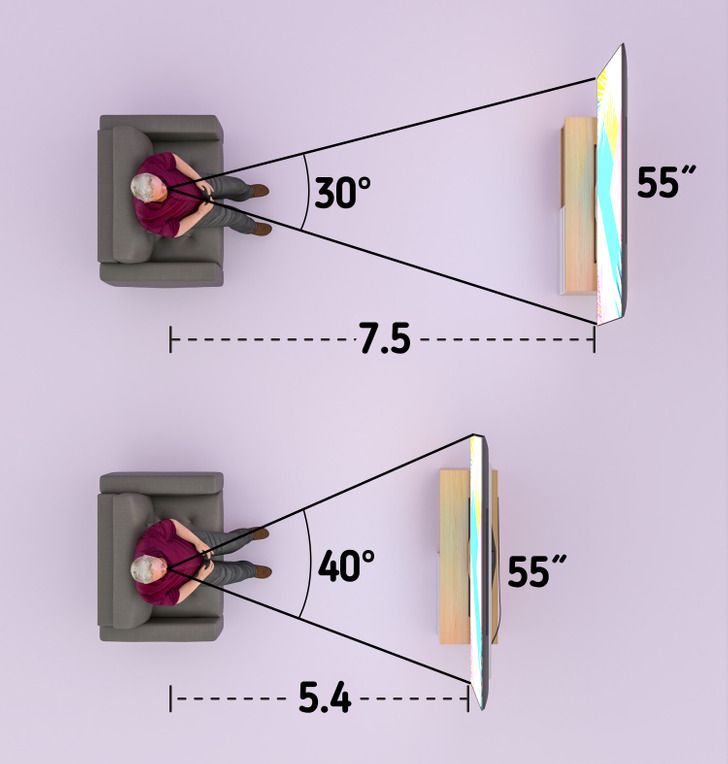
Placing your TV cabinet too high or too low is one of the most frequent errors. The center of your screen should align with eye level when you are seated.

  • Ideally, the TV screen should be 42–48 inches from the floor
  • Avoid mounting the cabinet too close to the ceiling or floor
  • Ensure seating arrangement complements the TV height

Proper height reduces neck strain and improves the overall viewing experience.

Mistake 2: Placing the Cabinet Against the Wrong Wall

Choosing a wall without considering lighting or room layout can lead to glare, awkward angles, or limited space.

  • Avoid walls facing large windows with direct sunlight
  • Ensure there’s enough clearance for walking and furniture
  • Keep the TV cabinet away from high-traffic areas to prevent accidents

Proper wall placement improves visibility and enhances room flow.
Mistake 3: Overcrowding the Area

Crowding your TV cabinet with too many nearby furniture pieces can make your living room feel cramped.

  • Keep at least 2–3 feet of space around the cabinet for easy movement
  • Avoid placing large sofas or shelves too close
  • Make sure the cabinet isn’t blocking doors, windows, or vents

A spacious arrangement makes the room feel open and comfortable.
Mistake 4: Ignoring Cable Management

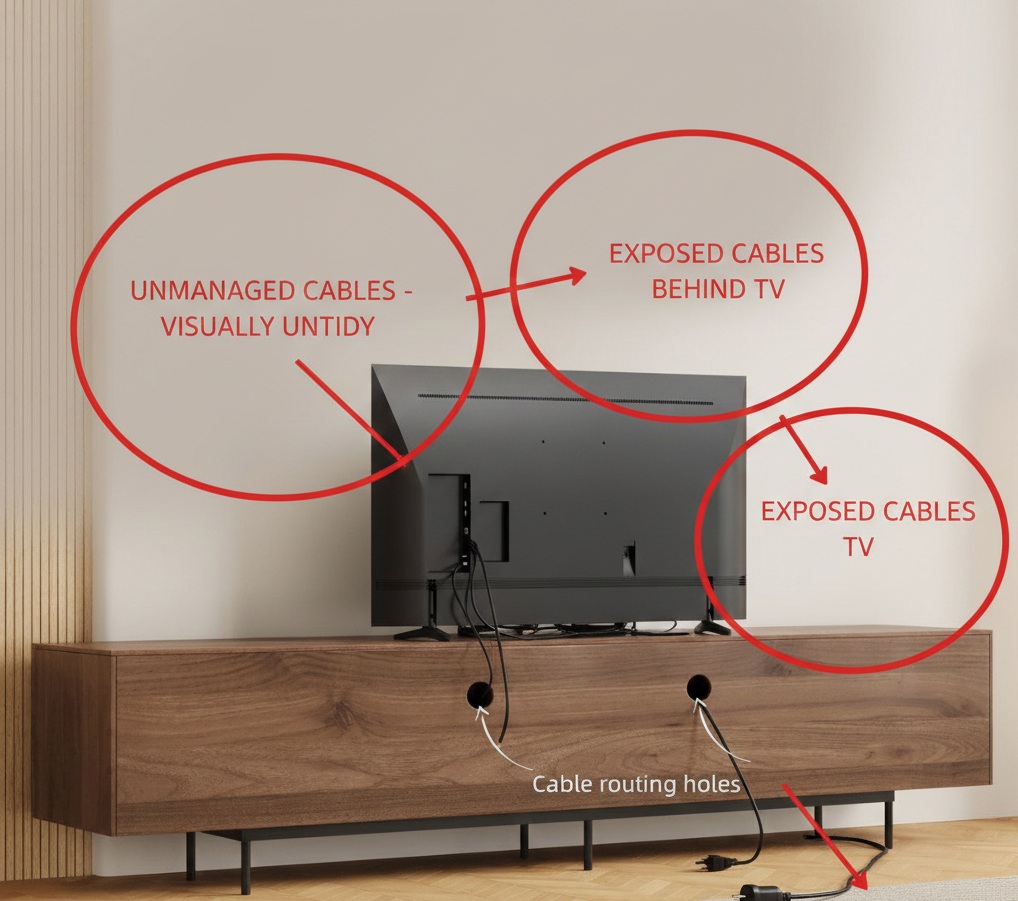
A poorly placed TV cabinet can result in messy wires and clutter. This is one of the most common mistakes homeowners make.

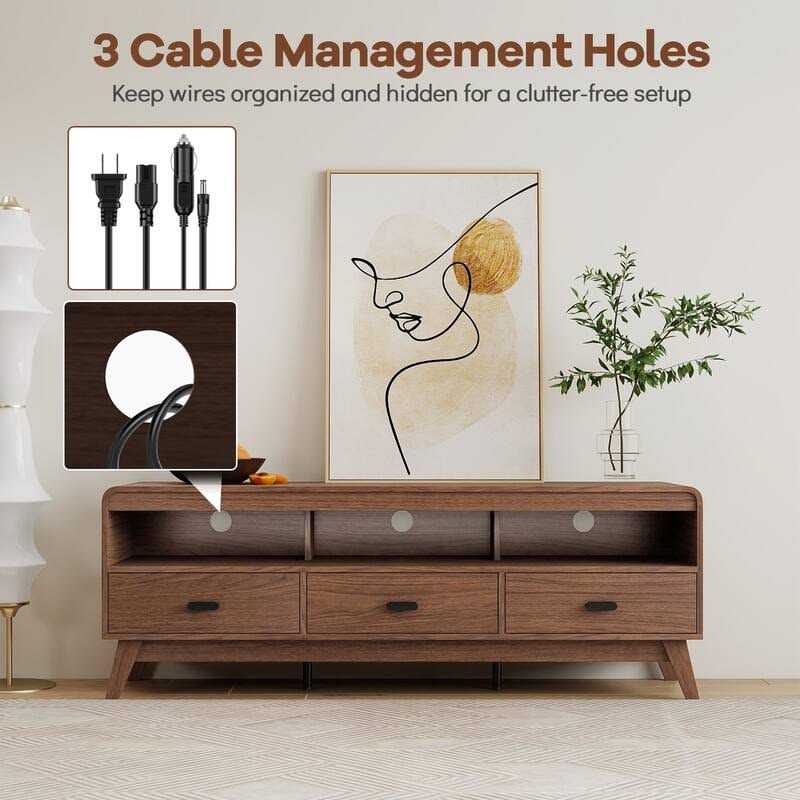
  • Choose cabinets with built-in cable management
  • Keep power outlets accessible behind the unit
  • Avoid stretching wires across floors or furniture

Organized wiring improves both safety and aesthetics.

Mistake 5: Not Considering Storage Needs

Some homeowners select a TV cabinet based only on style, ignoring storage functionality.

  • Assess what devices, consoles, or accessories need storage
  • Open cabinets may display clutter if not organized
  • Closed cabinets can hide cables and devices effectively

Balancing style and storage ensures your living room looks neat and functional.

Related Products

Mistake 6: Forgetting Room Symmetry

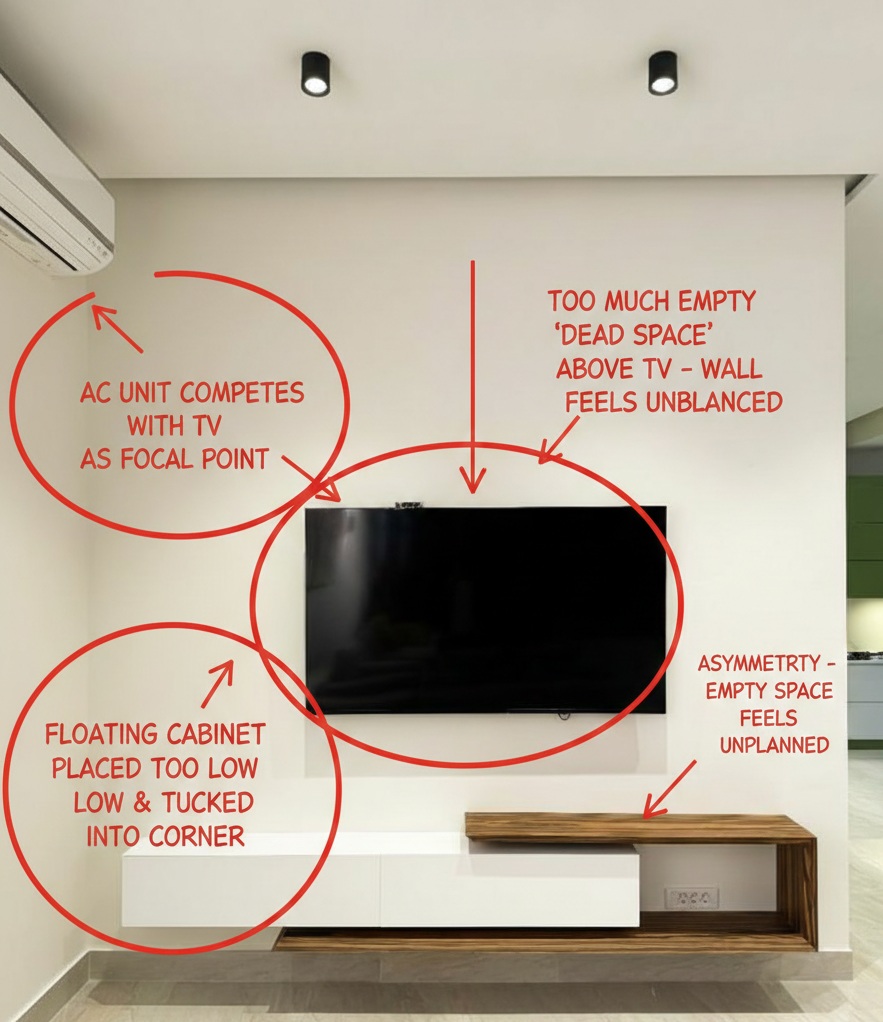
Placement that disrupts room symmetry can make the space feel off-balance.

  • Center the TV cabinet along the main wall or focal point
  • Ensure surrounding furniture complements the setup
  • Keep décor consistent on either side of the cabinet

A balanced setup enhances visual appeal and comfort.

Conclusion

Avoiding these common TV cabinet placement mistakes ensures your living room is both functional and stylish. By paying attention to viewing height, wall selection, spacing, cable management, storage, and room symmetry, you can create an organized and inviting environment.

Following the best TV cabinet setup tips will help you make smart placement decisions, maximize space, and maintain a clutter-free living room. Take measurements, plan ahead, and choose a setup that blends style with practicality.
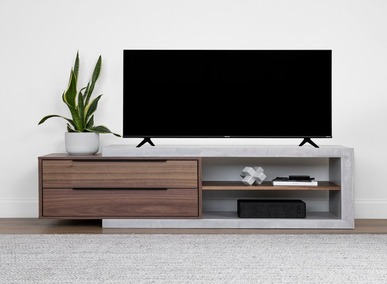
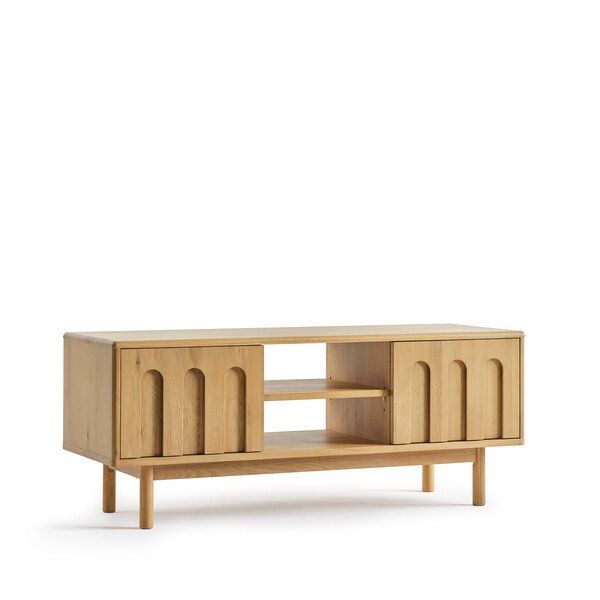
Open vs Closed TV Cabinets: Which Is Better?

When it comes to furnishing your living room, choosing the right TV cabinet can be a challenge. One of the biggest decisions is whether to go with an open or closed design. Both styles have advantages and disadvantages depending on your storage needs, room layout, and overall aesthetic. This guide will help you understand the differences so you can make an informed choice for your home.

If you’re unsure which option is right for you, exploring TV cabinet storage solutions can help you see how each design works in practice and how it can keep your living room organized.

What Are Open TV Cabinets?

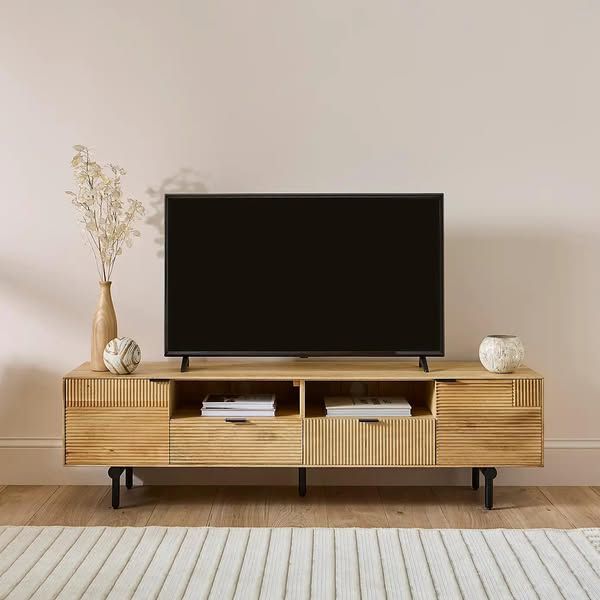
Open TV cabinets are furniture units with exposed shelves or compartments. They provide easy access to devices like gaming consoles, set-top boxes, and media players.

Advantages of Open TV Cabinets:

  • Quick and easy access to all devices
  • Better ventilation for electronics
  • Modern and minimalist look
  • Encourages display of decorative items

Disadvantages:

  • Wires and devices are visible, which can look cluttered
  • Dust accumulates faster on shelves
  • Limited to organized setups for a neat appearance

Open cabinets work best in modern or casual living rooms where you want an airy, open feel and don’t mind displaying your gadgets.

What Are Closed TV Cabinets?

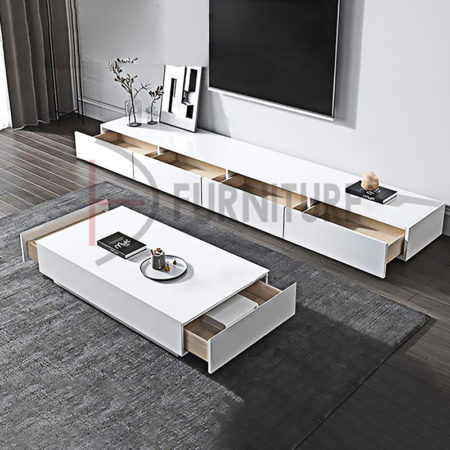
Closed TV cabinets have drawers, doors, or panels that conceal storage compartments. They provide a cleaner and more polished appearance.

Advantages of Closed TV Cabinets:

  • Can be safer if you have children or pets
  • Hides cables, devices, and clutter from view
  • Protects electronics from dust
  • Offers a more traditional or luxurious look

Disadvantages:

  • Accessing devices can be less convenient
  • Ventilation may be limited, so ensure proper airflow
  • Often larger and heavier, taking up more space

Closed cabinets are ideal for living rooms where you want a sleek, organized look and prefer to hide wires and accessories.

Key Differences Between Open and Closed TV Cabinets

Here’s a quick comparison to help you decide:

FeatureOpen TV CabinetClosed TV Cabinet
Storage VisibilityExposedHidden
Cable ManagementHarderEasier
Dust ProtectionLowHigh
StyleModern / CasualClassic / Luxury
Device AccessQuickSlower

Understanding these differences ensures you pick the cabinet that fits your lifestyle and room layout.

How to Choose the Right One

Consider the following factors before deciding:

  • Children/pets: Closed cabinets help protect items from accidental damage.
  • Room size: Open cabinets work well in smaller spaces; closed cabinets suit larger rooms.
  • Storage needs: If you have many devices or accessories, closed cabinets provide more hidden storage.
  • Design preference: Minimalist and modern? Open works. Sleek and formal? Closed works.

Related Products

Conclusion

Choosing between open vs closed TV cabinets depends on your storage needs, room aesthetics, and personal preference. Open cabinets are perfect for modern, accessible setups, while closed cabinets are ideal for a neat, organized, and dust-free look.

Exploring TV cabinet storage solutions can help you find a unit that balances both style and functionality. Take measurements, consider your electronics, and select the option that enhances your living room while keeping everything organized and visually appealing.
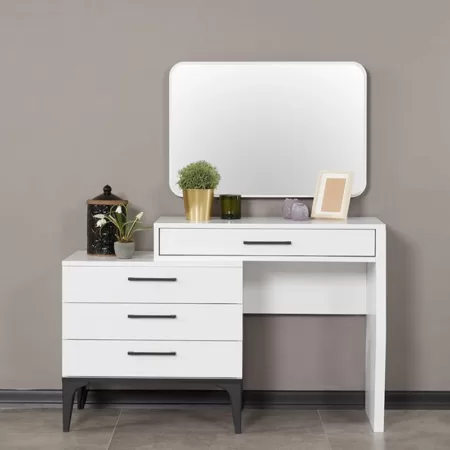
TV Cabinet vs TV Stand: What’s the Difference?

When setting up your living room, choosing between a TV cabinet and a TV stand can be confusing. Many homeowners use the terms interchangeably, but they are not exactly the same. Understanding the difference can help you choose the right furniture piece based on your storage needs, room size, and interior style. In this guide, we’ll break down everything you need to know about TV cabinet vs TV stand so you can make a smart buying decision.

If you are exploring different TV cabinet designs , knowing how they differ from standard TV stands will help you pick the perfect option for your home.

What Is a TV Stand?

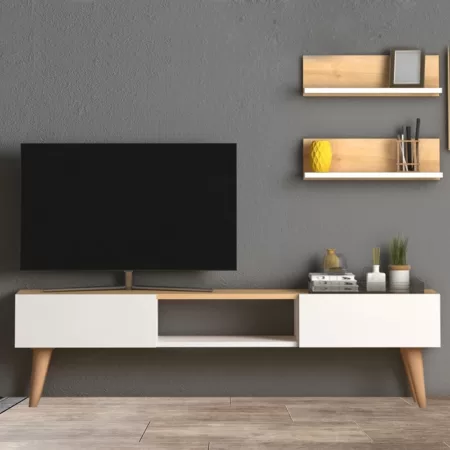
A TV stand is typically simpler and lighter in design. It mainly functions as a platform to place your television and may include open shelving underneath.

Key Features of a TV Stand:

  • Open shelves for easy access
  • Minimal storage options
  • Compact and lightweight
  • Suitable for small spaces
  • Budget-friendly option

TV stands are perfect for minimal setups where you don’t require extensive storage. They work well in apartments, bedrooms, or compact living rooms.

What Is a TV Cabinet?

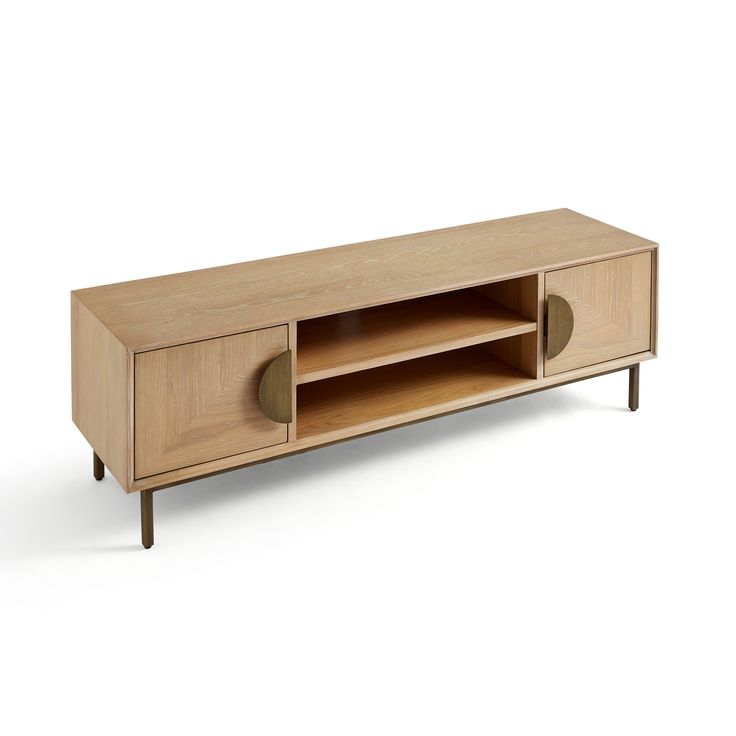
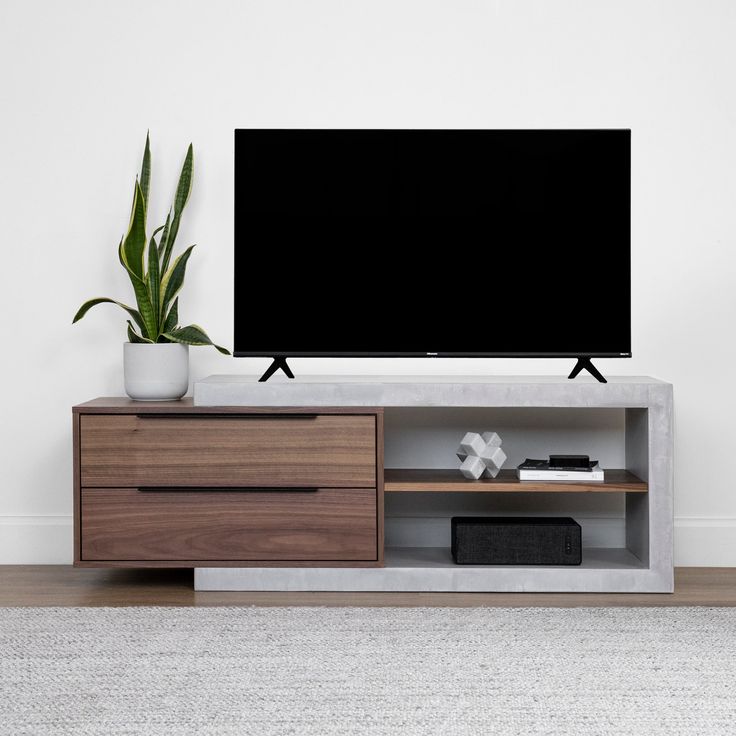
A TV cabinet is a larger, more structured furniture unit designed not only to hold your television but also to provide additional storage. It often includes drawers, closed compartments, shelves, and sometimes glass doors.

Key Features of a TV Cabinet:

Modern and luxury appearance

Enclosed storage for clutter-free organization

Multiple drawers and shelves

Strong and durable structure

Suitable for medium to large living rooms

TV cabinets are ideal for people who want to hide cables, store remotes, gaming consoles, and media accessories neatly. They offer a cleaner and more polished look in the living space.

Related Products

Major Differences Between TV Cabinet and TV Stand

Here’s a clear comparison to help you decide:

1. Storage Capacity

TV cabinets offer more enclosed storage, while TV stands usually have open shelves with limited compartments.

2. Design and Appearance

TV cabinets look more substantial and luxurious. TV stands have a simpler, minimalist design.

3. Space Requirement

TV cabinets need more floor space due to their size. TV stands are better for smaller areas.

4. Cable Management

Cabinets often come with built-in cable management solutions, helping maintain a clean look. TV stands may leave wires visible.

5. Price Range

TV cabinets are generally more expensive because of their size and storage features. TV stands are usually more affordable.

Which One Should You Choose?

Your decision depends on your lifestyle and room setup.

Choose a TV cabinet if:

  • You need extra storage
  • You want a premium look
  • You prefer concealed compartments
  • You have a spacious living room

Choose a TV stand if:

  • You’re working with a smaller budget
  • You have limited space
  • You prefer a minimalist style
  • You don’t need much storage

Consider Your Living Room Layout

Before purchasing, measure your space carefully. Ensure there is enough room for walking space around the furniture. Also consider the size of your TV — the unit should always be wider than the television for balance and stability.
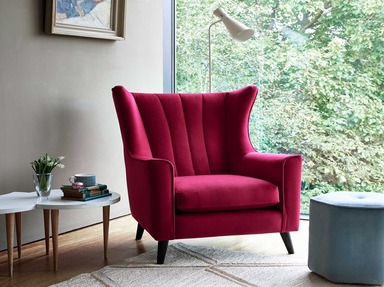
Think about your interior style as well. A modern living room may suit a sleek cabinet with clean lines, while a casual setup might look great with a simple stand.

Final Thoughts

The debate between TV cabinet vs TV stand ultimately comes down to storage, space, and style preferences. If you want functionality with a refined look, a TV cabinet is often the better investment. However, if simplicity and space-saving design are your priorities, a TV stand will work perfectly.

Understanding these differences ensures you select furniture that complements your home while meeting your practical needs.

How to Hide Cables in a TV Cabinet

Messy cables can ruin the look of even the most stylish living room. A TV cabinet is not only a functional furniture piece but also a place to keep your wires organized and hidden. Knowing how to hide cables in a TV cabinet can make your setup look clean, organized, and professional. This guide will show you practical tips for cable management and give your living space a polished appearance.

Choose the Right TV Cabinet

The first step to hiding cables is selecting the right living room TV cabinet. Some cabinets come with built-in cable management features, such as:

  • Rear cut-outs for power cords and HDMI cables
  • Compartments or drawers to hide consoles and devices
  • Adjustable shelving to keep devices elevated

By choosing a cabinet designed for cable management, you can save time and avoid a cluttered setup.

Use Cable Management Accessories

Even with a good cabinet, extra accessories can make hiding wires easier. Some helpful items include:

  • Cable sleeves or covers to bundle multiple wires
  • Velcro straps to tie up loose cords
  • Cable clips to attach cords along cabinet edges
  • Raceways to run wires along walls or behind furniture

These tools prevent cables from tangling and keep them out of sight.

Position Devices Strategically

Placement of devices in your TV cabinet can reduce visible wires. Tips include:

  • Keep consoles, routers, and sound systems close to the TV to minimize cable length
  • Use back compartments to hide devices from direct view
  • Route cables behind furniture panels for a cleaner look

A strategic arrangement of devices reduces clutter and makes cable management much easier.

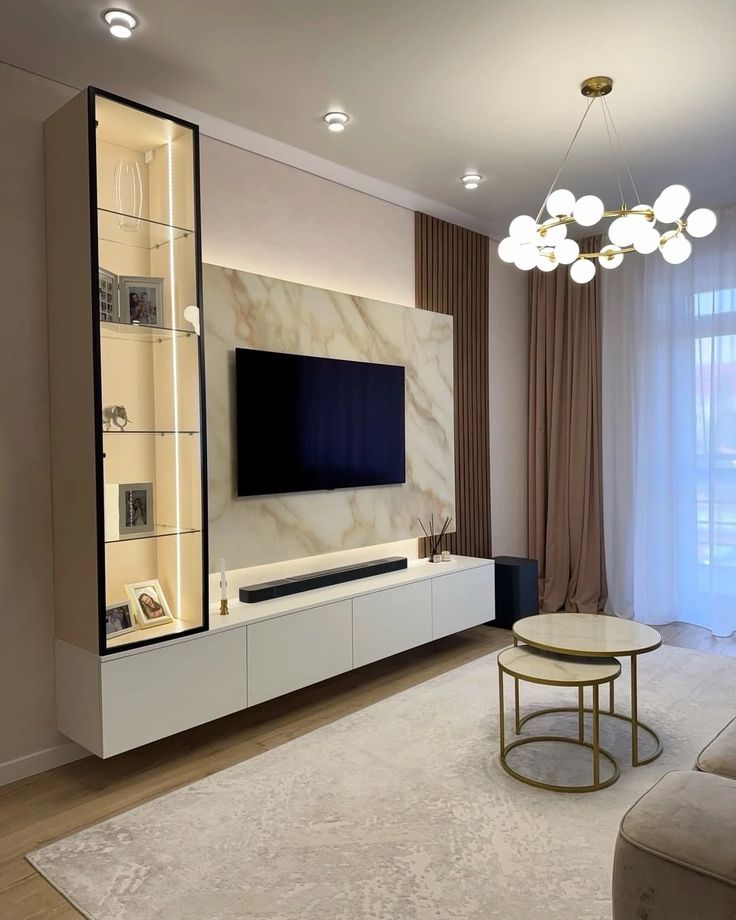
Consider Wall-Mounted or Floating Cabinets

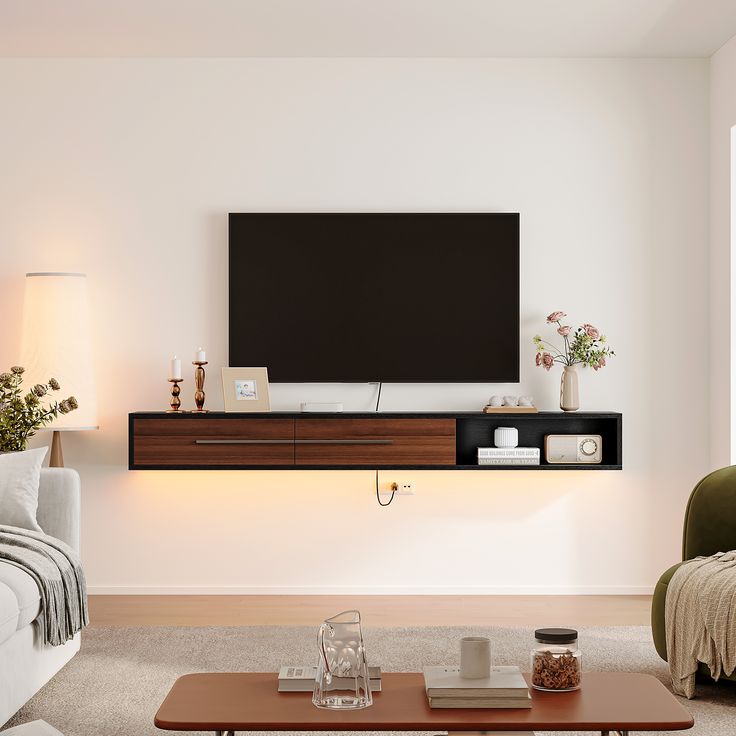
If you have a small living room, wall-mounted or floating TV cabinets can help hide cables more effectively. Benefits include:

  • Cables can be routed directly into the wall for a seamless look
  • Frees up floor space and creates a modern, minimalist appearance
  • Easier to clean around and under the cabinet

Floating designs also give you flexibility to hide wires behind panels or inside drawers.

Label and Organize Cables

Organizing cables is not just about hiding them — it’s about knowing which cord goes where. You can:

  • Use labels to identify HDMI, power, or audio cables
  • Color-code cords with tags or tape
  • Bundle similar wires together to avoid confusion

This saves time when upgrading devices or troubleshooting connection issues.

Keep It Clean and Accessible

While hiding cables is important, accessibility matters too. Ensure:

  • You can easily reach power outlets
  • Devices are ventilated to prevent overheating
  • Drawers and shelves allow easy access to ports

This balance between concealment and functionality ensures your living room stays neat without compromising performance.

Related Products

Conclusion

Hiding cables in a TV cabinet doesn’t have to be complicated. By choosing the right living room TV cabinet, using cable management accessories, strategically placing devices, and organizing wires properly, you can achieve a clean and organized entertainment setup. Follow these tips, and your living room will look clutter-free, stylish, and professional. Explore our collection of living room TV cabinets to find the perfect fit for your home.

TV Unit Size Guide: What Size TV Cabinet Do You Really Need?

Choosing the right TV unit is not just about style — size plays a crucial role in both comfort and aesthetics. A cabinet that is too small can look unstable, while one that is too large can overpower your living room. This TV unit size guide will help you understand what size TV cabinet you really need for your space, ensuring the perfect balance between functionality and design.

Before making a decision, it’s important to explore different size options available in the market. Browsing various right size tv cabinets can help you compare widths, heights, and storage features to find the ideal match for your living room layout. Understanding available dimensions makes it easier to avoid costly mistakes and choose a cabinet that complements your TV and room size.

Measure Your TV First

The most important step is measuring your television correctly. Many buyers guess the size and end up with a mismatched cabinet.

Keep these points in mind:

  • Measure the full width of your TV, not just the screen size
  • The cabinet should be at least 2–4 inches wider than your TV
  • Ensure the depth is enough to support the TV stand
  • Check the weight capacity of the cabinet

A properly sized cabinet improves stability and visual balance.

Consider Viewing Height

Comfortable viewing depends heavily on height. If the TV is placed too high or too low, it can strain your neck.

Ideal guidelines include:

  • The center of the screen should be at eye level when seated
  • Standard TV cabinet heights range between 45–60 cm
  • Adjust height based on your sofa level

This ensures long-term comfort while watching TV.

Match Cabinet Width to Wall Space

Even if the cabinet fits your TV, it must also suit your wall dimensions. Oversized furniture can make a small room feel cramped.

To maintain proportion:

  • Leave some empty wall space on either side
  • Avoid blocking windows or walkways
  • Ensure enough clearance for nearby furniture

A well-proportioned setup creates a clean and organized look.

Plan for Storage Needs

Size is not only about width and height — storage matters too. Think about what you need to place inside the cabinet.

Common storage considerations:

  • Gaming consoles
  • Sound systems or speakers
  • Set-top boxes and routers
  • Decorative items

If you have multiple devices, choose a slightly larger unit with shelves and cable management features.

Small Living Room vs Large Living Room

Your room size significantly affects cabinet choice.

For small living rooms:

  • Choose compact or wall-mounted units
  • Opt for light colors to create openness
  • Avoid bulky, oversized designs

For large living rooms:

  • Wider cabinets create balance
  • You can choose statement pieces
  • Additional side storage units can complement the setup

Selecting the right size based on room dimensions improves overall harmony.

Small Living Room vs Large Living Room

Your room size significantly affects cabinet choice.

For small living rooms:

  • Choose compact or wall-mounted units
  • Opt for light colors to create openness
  • Avoid bulky, oversized designs

For large living rooms:

  • Wider cabinets create balance
  • You can choose statement pieces
  • Additional side storage units can complement the setup

Selecting the right size based on room dimensions improves overall harmony.

Related Products

Future-Proof Your Purchase

Many people upgrade their TVs after a few years. Buying a cabinet that only fits your current TV can limit future options.

Consider:

  • Choosing a slightly wider cabinet
  • Ensuring flexible shelf space
  • Selecting durable material for long-term use

Planning ahead saves money and prevents early replacement.

Conclusion

Finding the right size TV cabinets requires careful measurement, planning, and understanding of your living space. By considering TV width, viewing height, wall dimensions, and storage needs, you can make a smart investment that enhances both comfort and design. Use this TV unit size guide as a reference before purchasing, and take your time comparing options to ensure the perfect fit for your home.

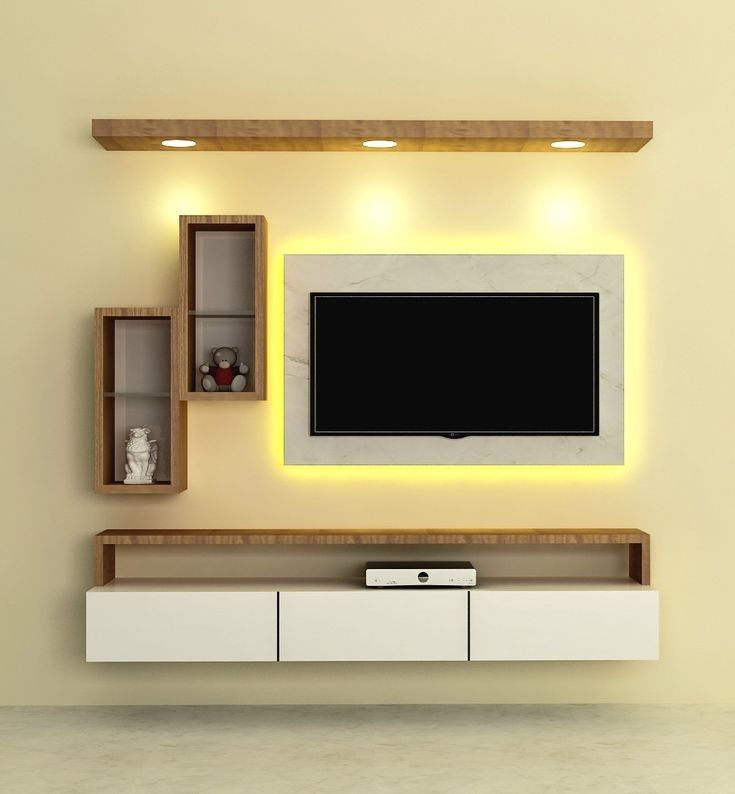
Wall TV Console

Best TV Unit Designs for Small Living Rooms

Furnishing a small living room can be challenging, especially when it comes to choosing the right TV unit. The wrong cabinet can make the space feel cramped and cluttered, while the right design can maximize storage, style, and functionality. In this guide, we’ll explore the best TV unit designs for small living rooms to help you make smart choices.
Explore Compact TV Cabinets

One of the first steps in selecting a TV unit for a small living room is understanding your options. A wide variety of TV cabinets are available that are specifically designed for limited spaces. From wall-mounted units to floating shelves, compact tv cabinets can provide storage without taking up too much floor space. Checking out different designs helps you find a solution that fits your space while keeping it stylish and organized.

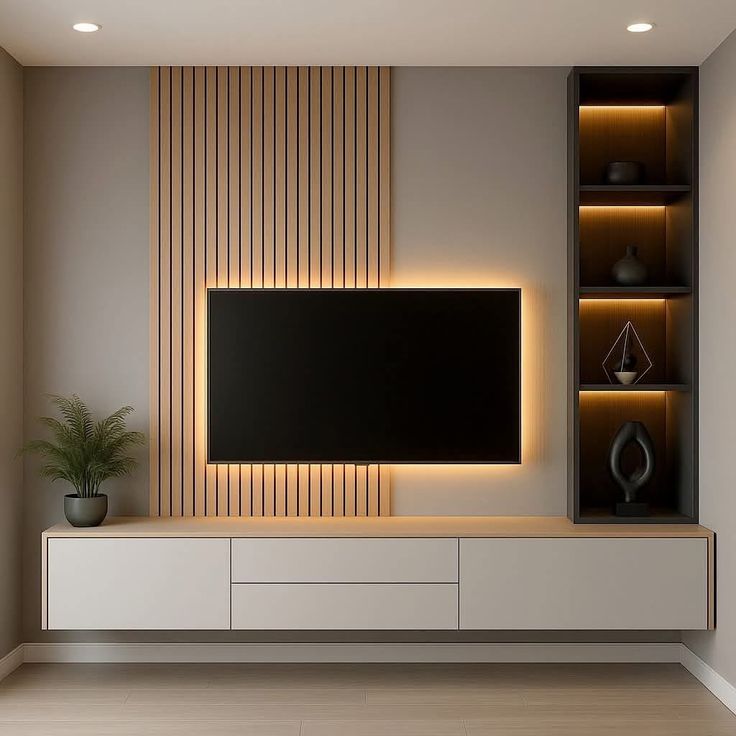
Wall-Mounted TV Units

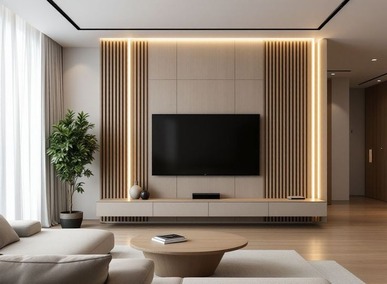
Wall-mounted units are ideal for small living rooms because they free up floor space. Benefits include:

  • Keeps the floor area open for other furniture
  • Reduces visual clutter in the room
  • Provides a modern and minimalist look
  • Can include hidden storage for devices and accessories

When choosing a wall-mounted unit, ensure it is mounted at eye level for comfortable viewing and that it can safely support your TV’s weight.

Floating Cabinets and Shelves

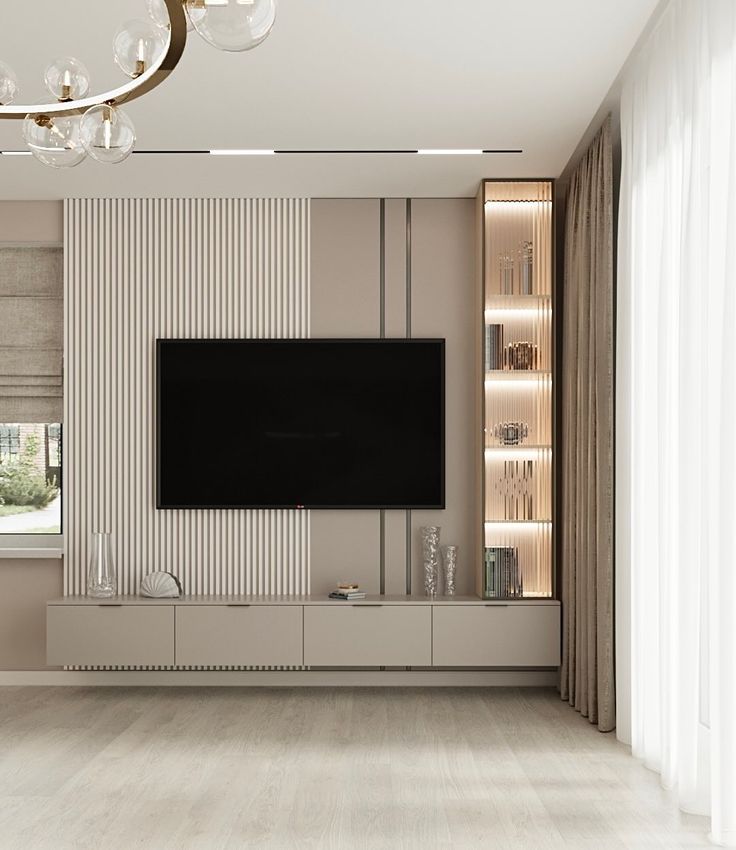
Floating cabinets combine storage and design flexibility. Advantages include:
  • Creates the illusion of more space by keeping the floor visible
  • Offers additional storage for remotes, consoles, or décor items
  • Easy to clean underneath
  • Works well in narrow or oddly-shaped rooms

Floating shelves above or around the TV can also add extra storage without overwhelming the room.

Multi-Functional TV Units

In small living rooms, every inch of storage matters. Multi-functional cabinets are a great solution:

  • Drawers for DVDs, games, or remotes
  • Open shelving for decorative items or speakers
  • Foldable or sliding units for flexible use
  • Cabinets with built-in cable management to keep wires hidden

Selecting a unit that combines several features helps you maintain a tidy and organized living space .

Material and Design Tips

For small rooms, the right material and finish can make a huge difference:

  • Neutral tones: Easily match existing décor without overwhelming the room
  • Light-colored wood or laminate: Makes the room feel larger
  • Glossy finishes: Reflect light and create an airy feel
  • Minimalist designs: Avoid bulky, ornate cabinets that dominate the space .

Related Products

Conclusion

Choosing the best TV unit for a small living room requires careful planning. Focus on size, style, storage, and functionality to maximize both space and design. Wall-mounted or floating cabinets, multi-functional units, and light-colored minimalist designs are all excellent options. By selecting a tv cabinet that fits your small living room perfectly, you can enhance both comfort and aesthetics. Explore our collection of compact tv cabinets to find the ideal match for your space and create a stylish, organized living area.

Common Mistakes to Avoid When Buying a TV Cabinet

When it comes to furnishing your living room, choosing the right TV cabinet is more important than it seems. A TV cabinet not only holds your television but also contributes to the style, functionality, and organization of your space. Unfortunately, many buyers make avoidable mistakes that lead to poor choices, wasted money, or cluttered spaces. In this guide, we’ll walk you through the common mistakes to avoid when buying a TV cabinet, so you can make an informed decision.

Explore Options Before Buying

One of the most frequent errors is not exploring different options on the market before making a purchase. For example, checking out our wide selection of modern tv cabinets can help you understand the variety of styles, sizes, and storage solutions available. Many buyers focus only on a single design or brand, which limits their options and may result in choosing a cabinet that doesn’t fit their living room or storage needs.

Measure Room and TV Size

Ignoring room and TV size is a major mistake. A cabinet should be proportional to both your television and the available wall space.

  • Too small a cabinet makes the TV overhang and look unstable
  • Too large a cabinet can overwhelm the room
  • Measure TV width and height and compare with cabinet dimensions
  • Ensure proper viewing distance for comfort

Consider Storage Requirements

A TV cabinet is not just for the television; it also stores media devices, gaming consoles, DVDs, and other essentials. Common mistakes include:

  • Underestimating or overestimating storage needs
  • Choosing a cabinet with too few drawers or shelves
  • Ignoring compartments for hiding cables and accessories

Check Material and Build Quality

Material and build quality affect durability and safety. Buyers often make the mistake of choosing cheap cabinets that don’t last. Look for:
  • Solid wood for long-lasting strength
  • Engineered wood for a budget-friendly but sturdy option
  • Smooth, even finishes that resist scratches and peeling
  • Weight capacity suitable for your TV

Match Design with Your Living Room

  • Design compatibility is essential for a cohesive look. Mistakes to avoid:
  • Choosing styles that don’t suit modern or traditional spaces.
  • Selecting a trendy design that clashes with your room décor
  • Ignoring the color and finish continuity with other furniture

Plan for Cable Management

Messy wires can ruin even the most elegant TV cabinet setup. Consider:

  • Rear cut-outs for cables
  • Hidden compartments for consoles and routers
  • Channels for organizing power strips and cords

Read Reviews and Check Warranties

  • Many buyers focus solely on price or appearance. Avoid these pitfalls by:
  • Confirming warranty coverage for defects or damage
  • Reading customer reviews for real-life feedback
  • Checking for assembly issues or missing parts

Related Products

Conclusion

By avoiding these common mistakes, you can choose a TV cabinet that is functional, stylish, and long-lasting. Careful attention to size, storage, material, design, cable management, and future needs ensures your living room remains organized and visually appealing. Explore options, compare designs, and invest wisely to enhance both the comfort and elegance of your home.

Space-Saving Ideas with Wall Mounted Dressing Tables for Small Rooms

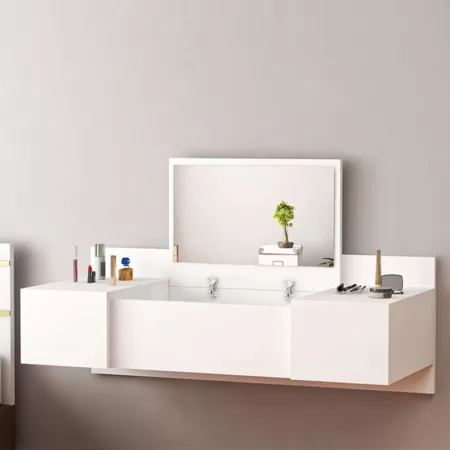
A wall mounted dressing table is a smart and stylish solution for bedrooms with limited space. Unlike traditional floor-standing units, wall-mounted designs help maximize floor area while providing a functional and elegant spot for grooming, makeup, and storage. These versatile pieces not only save space but also add a modern and streamlined look to your bedroom.

When designing a small bedroom, it’s important to choose furniture that enhances both functionality and aesthetics. Many homeowners opt for dressing tables that are wall-mounted because they free up floor space, making the room feel larger and less cluttered. Proper placement and design selection ensure that the unit serves its purpose without overwhelming the available area.

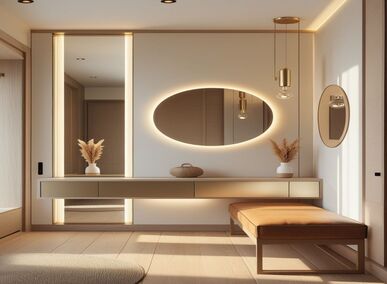
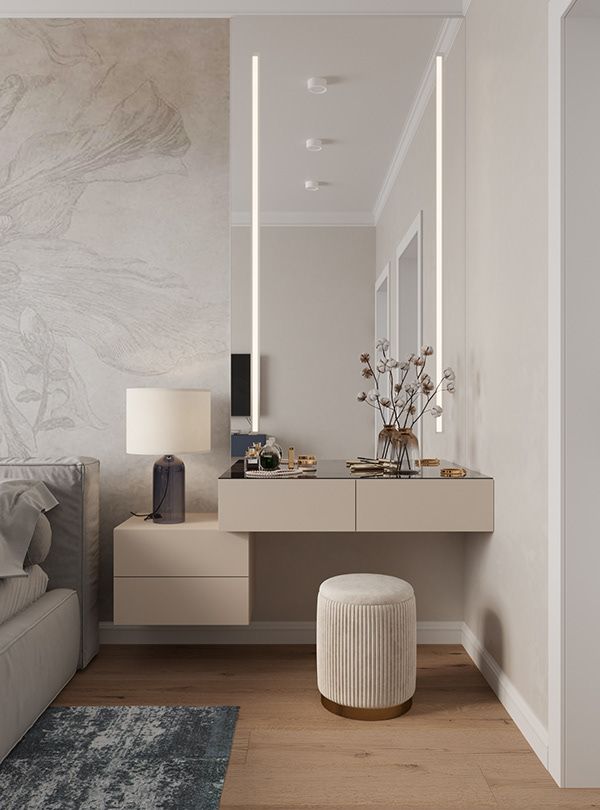
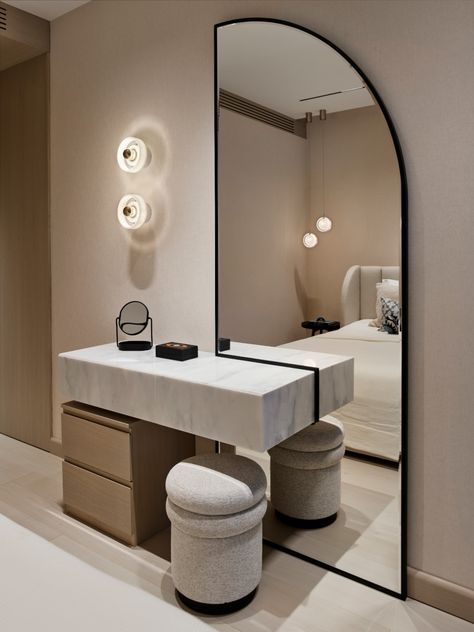
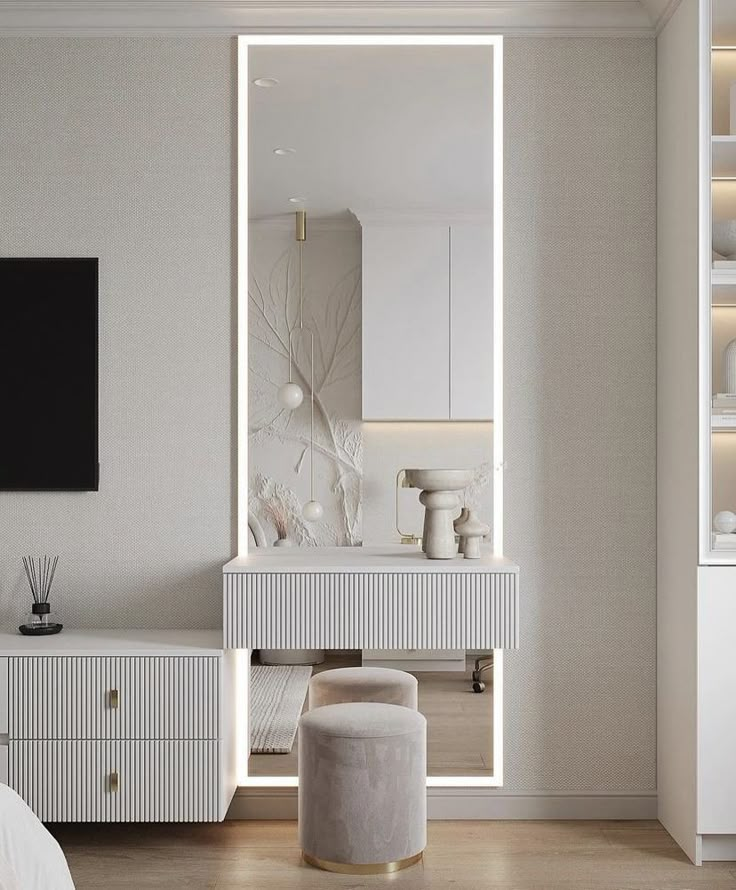
wall dresser
wall mounted design dresser
wall mounted dresser modern

Measure Your Space Carefully

Before installing a wall mounted dressing table, accurately measure the wall where it will be placed. Consider:

  • Height: Ensure the tabletop is at a comfortable height for sitting or standing.
  • Width and depth: Select a unit that fits without crowding walkways or adjacent furniture.
  • Wall support: Confirm the wall can support the weight of the table, mirror, and accessories.

Choose Compact and Multi-Functional Designs

Small rooms benefit from compact designs that serve multiple purposes. Look for:

  1. Units with built-in drawers or shelves to store makeup, accessories, and grooming tools.
  2. Foldable or retractable designs that can be closed when not in use.
  3. Slimline tables with minimalistic frames that create a spacious feel.

These options allow you to maintain an organised space while keeping essential items within easy reach.

Maximise Vertical Space

Wall-mounted units allow you to make full use of vertical space. Adding shelves or hanging organisers above the table can store beauty products, books, or decorative items. A mirror with an integrated shelf or lighting can further enhance functionality without taking up additional floor space.

Select the Right Materials and Finish

For small rooms, light-coloured materials like white, beige, or pastel tones help make the area feel brighter and more open. Popular finishes include matte, glossy, or lacquered surfaces that reflect light and create a modern aesthetic. Durable materials like MDF, plywood, or engineered wood ensure longevity without compromising style.

Related Products

Consider Lighting Options

Good lighting is essential for a dressing table. In small rooms, consider:

  • LED strip lights around the mirror for even illumination
  • Wall-mounted sconces to save space on the tabletop
  • Natural light placement, if the wall is near a window

Proper lighting enhances the functionality of your wall-mounted unit while adding a stylish touch to the room.

Style Tips for Small Bedrooms

To make your wall mounted dressing table visually appealing:

  • Pair with a compact chair or stool that tucks underneath.
  • Use decorative trays or organisers to keep items neat.
  • Add a small plant or minimalist décor to enhance the aesthetic without cluttering.

Final Thoughts

A wall mounted dressing table is an excellent solution for small bedrooms, combining style, storage, and functionality. By carefully measuring your space, choosing compact and multi-functional designs, and optimising vertical space, you can create a chic and organised area for daily grooming. Integrating these smart ideas ensures your small room feels open, comfortable, and visually appealing, while your dressing tables remain practical and stylish.

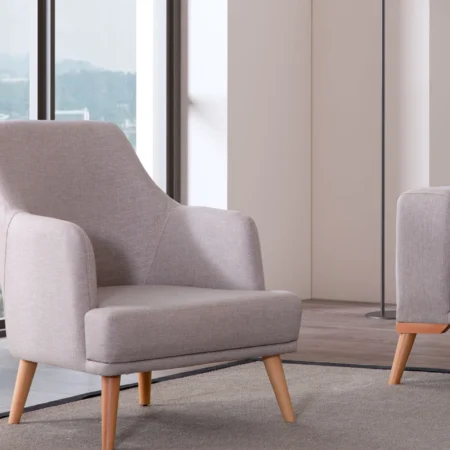
wingback chair modern

Choosing the Right Size Wingback Chair for Your Room

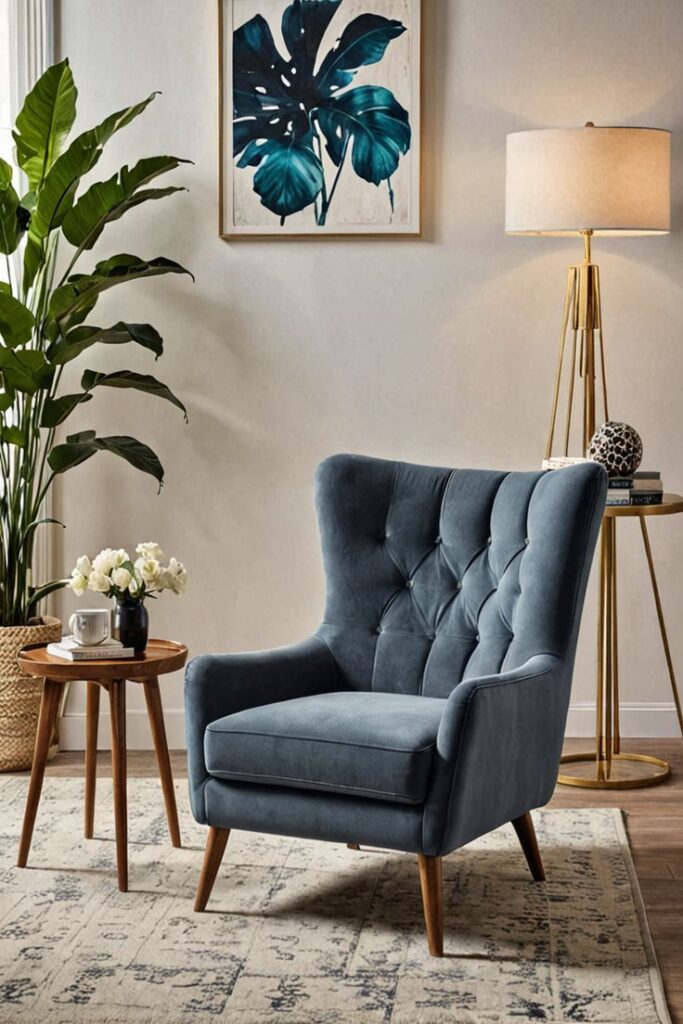
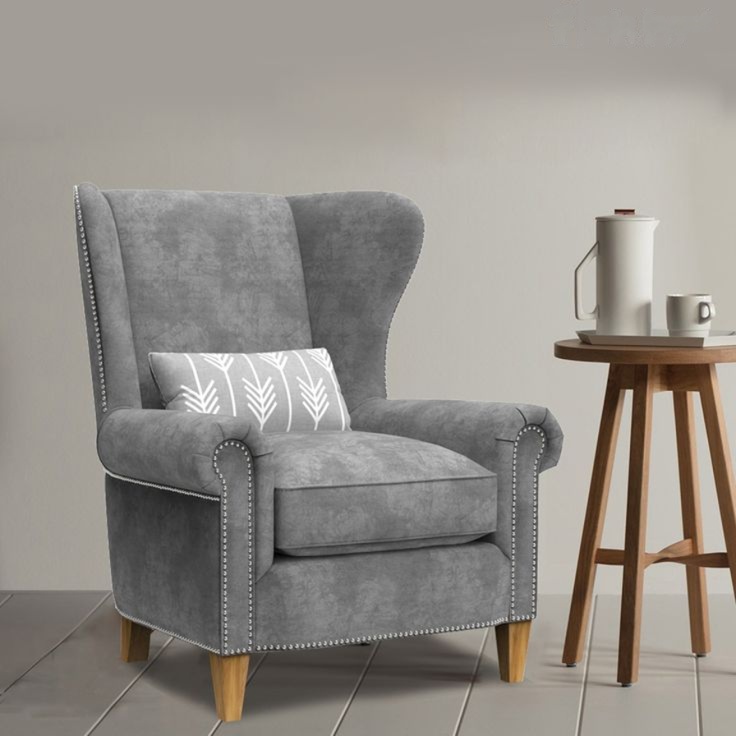
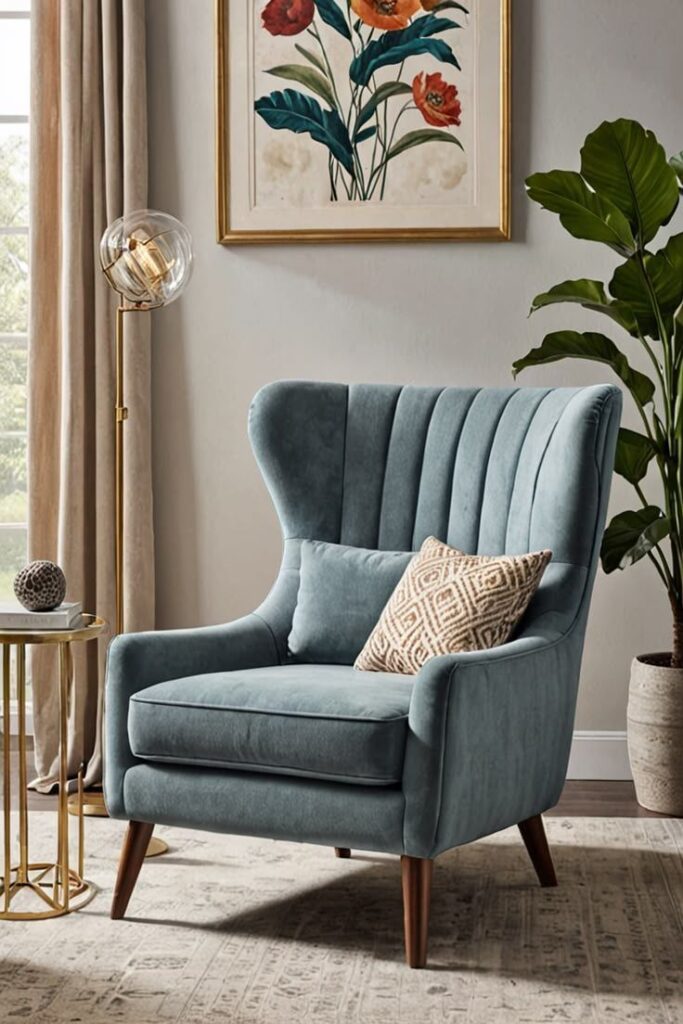
A wingback chair is a timeless piece of furniture that combines style, comfort, and sophistication. Its high back and classic winged sides make it an ideal addition to living rooms, bedrooms, or reading corners. However, selecting the right size wingback chair is crucial to ensure it complements your room without overwhelming the space or looking out of proportion.

When planning your interior layout, it’s important to consider how your wingback chair will interact with existing furniture. Many homeowners look for versatile seating options that provide a cozy spot to relax while enhancing the overall décor. Choosing a chair that works well alongside your arm accent chairs ensures a cohesive and balanced seating arrangement, allowing each piece to shine without competing for attention. Properly integrated, this seating piece can serve as a stylish focal point or a comfortable addition to any room.

Measure Your Space Accurately

Before purchasing a wingback chair, carefully measure the area where it will be placed. Consider:

  • Room dimensions: Know the height, width, and depth of the space to avoid crowding.
  • Clearance: Leave at least 2–3 feet of walking space around the chair for easy movement.
  • Ceiling height: Taller wingback chairs may feel imposing in rooms with low ceilings, so proportion matters.

Determine Chair Scale and Proportion

Choosing a chair that fits the room’s scale is essential. A large wingback chair in a small room can overpower the space, while a tiny chair may look lost in a large living area. Keep in mind:

  1. Compare chair dimensions with nearby sofas or sectionals for balance.
  2. Ensure arm and seat heights match adjacent seating for visual harmony.
  3. Use a smaller wingback chair in compact spaces or pair two medium-sized chairs in larger rooms.

Consider Your Room Layout

The placement of your wingback chair affects both function and flow. Popular layouts include:

  • Reading corner: Position the chair near a window or lamp for a cozy nook.
  • Living room: Place the chair angled toward the sofa to encourage conversation.
  • Bedroom: Pair it with a side table to create a relaxing retreat.

The right layout allows the wingback chair to be both a functional seat and a stylish accent piece.

Related Products

Match Style and Upholstery

The chair’s upholstery and style play a key role in complementing your interior. Consider:

  • Colour coordination: Choose colours that harmonise with your room’s palette.
  • Patterns and textures: Introduce subtle patterns or textures to add depth without clashing.
  • Materials: Leather, velvet, or linen are popular choices, depending on your décor and maintenance preference.

Use Your Wingback Chair as an Accent Piece

A wingback chair can also serve as a statement accent chair, adding personality to the room. You can:

  • Choose a bold colour to draw attention.
  • Add decorative pillows or throws for extra style and comfort.
  • Pair with complementary furniture like side tables or ottomans for a cohesive look.

Consider Functionality

Beyond aesthetics, think about how the chair will be used:

  • Will it be a reading spot, additional seating, or part of a conversation area?
  • Ensure the seat depth and backrest angle are comfortable for extended use.
  • Check the chair’s weight and mobility if you plan to move it occasionally.

Final Thoughts

Choosing the right size wingback chair is essential to create a balanced, stylish, and functional room. By measuring your space, considering scale, selecting the appropriate style and upholstery, and using it alongside your arm accent chairs, you can elevate any living area or bedroom. With the right planning, a wingback chair not only provides comfort but also enhances the overall aesthetic of your home.

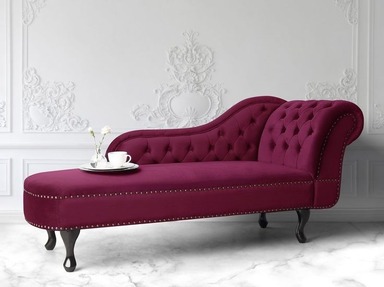
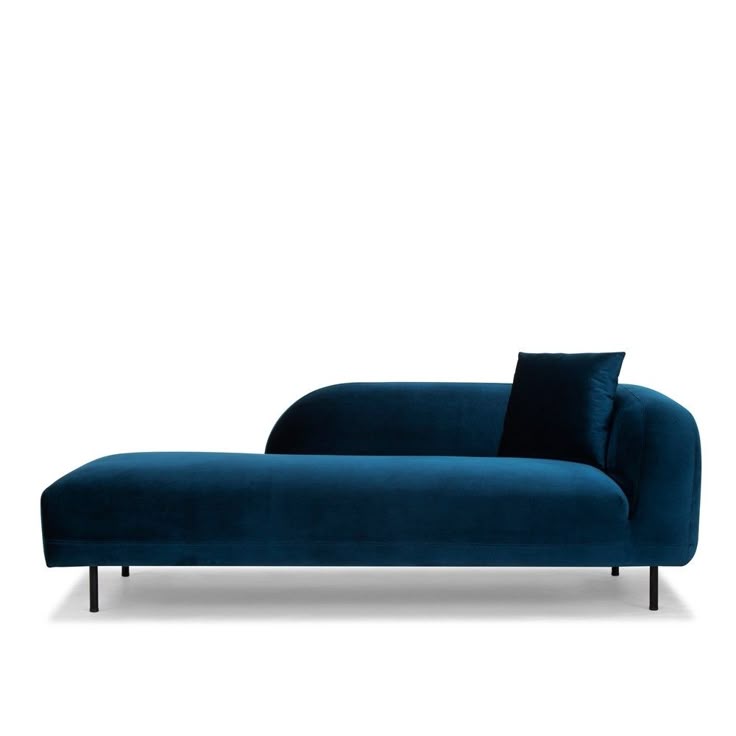
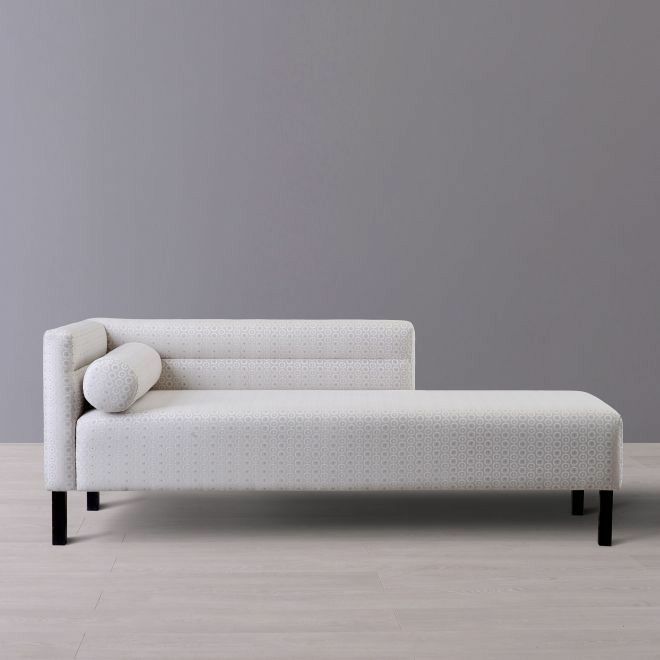
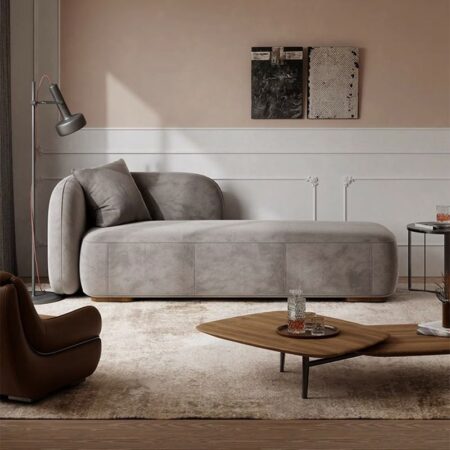
chaise lounge modern design

How to Mix and Match a Chaise Lounge Chair with Sofas and Sectionals

A chaise lounge chair is a versatile piece of furniture that can elevate the style and comfort of any living room. Beyond providing a cozy spot to relax, it can also act as a design focal point, complementing your sofa or sectional arrangement. However, mixing and matching a chaise lounge with existing seating requires careful planning to maintain balance, harmony, and functionality.

When designing your living area, it’s important to select the right chaise lounge that aligns with your room’s style, scale, and colour palette. Properly integrating it with sofas and sectionals ensures a cohesive, elegant look while creating an inviting space for relaxation and social gatherings.

Consider Room Layout and Size

Before adding a chaise lounge chair to your living room, evaluate the available space. Take precise measurements of your room, including walls, walkways, and seating areas.

  • Small spaces: Choose a compact chaise lounge or one with a sleek profile that doesn’t overcrowd the area.
  • Medium to large spaces: You can opt for larger chaise lounges, either standalone or attached to a sectional, to create a statement piece.
  • Placement tips: Position the chaise at an angle, next to a sofa, or as an extension of a sectional to optimise flow and maintain visual balance.

Match or Contrast Upholstery

The fabric and colour of your chaise lounge play a major role in creating harmony with your sofas or sectionals.

  1. Coordinated look: Choose upholstery in the same colour family or similar texture for a seamless, elegant appearance.
  2. Contrasting look: Pick a complementary or bold colour to make the chaise lounge a standout feature in your living room.
  3. Patterns and textures: Introduce subtle patterns or textures on the chaise to add depth without clashing with existing furniture.

Balance Scale and Proportion

Scale and proportion are key when mixing furniture pieces. A chaise lounge that is too large can overpower your sofa, while a small one may look out of place.

  • Measure sofa and sectional dimensions to select a chaise lounge that feels balanced.
  • Consider arm height and seat depth to ensure comfort and visual symmetry.
  • Avoid overcrowding by leaving at least 2–3 feet of walkway around the chaise lounge.

Related Products

Complement with Accessories

Accessories can unify your chaise lounge with your other seating elements:

  • Throw pillows: Use matching or coordinating pillows to tie the chaise and sofa together.
  • Area rugs: Place both pieces on the same rug to define the seating zone.
  • Side tables: Include a side table near the chaise for added convenience and balance.

Decide Between Standalone or Sectional Attachment

Chaise lounges can either be standalone pieces or part of a sectional:

  • Standalone chaise: Offers flexibility to move and reposition the lounge. Ideal for creating a reading nook or accent seating.
  • Attached chaise on sectional: Provides an integrated look and maximises seating in one cohesive unit.

Consider Style Consistency

While mixing styles is possible, maintaining some consistency ensures a polished result:

  • Pair modern chaise lounges with contemporary sofas or sectionals.
  • Traditional chaise designs work well with classic or vintage-inspired seating.
  • Transitional styles can blend modern and classic elements, offering versatility.

Final Thoughts

A chaise lounge chair is a perfect way to enhance both style and comfort in your living room. By carefully considering layout, upholstery, proportion, and accessories, you can mix and match it with your sofas and sectionals effortlessly. Whether you choose a bold, standalone chaise or an integrated piece with a sectional, this furniture addition will elevate your space while offering functional, comfortable seating.

Back to Top
Product has been added to your cart
Compare (0)