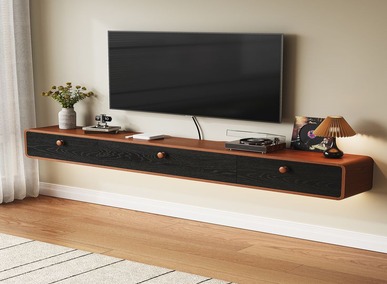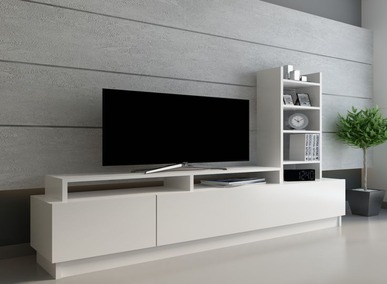
When setting up your living room, choosing between a TV cabinet and a TV stand can be confusing. Many homeowners use the terms interchangeably, but they are not exactly the same. Understanding the difference can help you choose the right furniture piece based on your storage needs, room size, and interior style. In this guide, we’ll break down everything you need to know about TV cabinet vs TV stand so you can make a smart buying decision.
If you are exploring different TV cabinet designs , knowing how they differ from standard TV stands will help you pick the perfect option for your home.
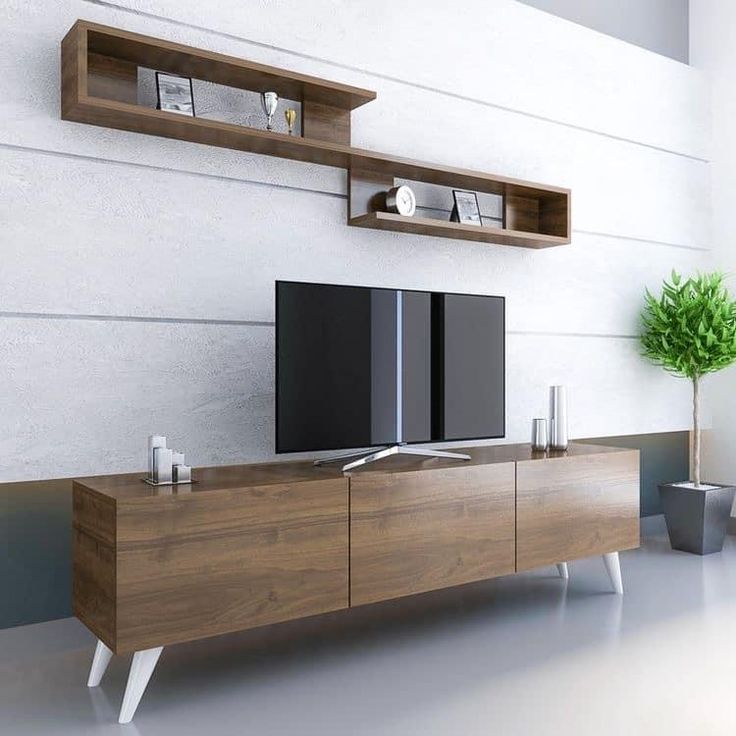
What Is a TV Stand?
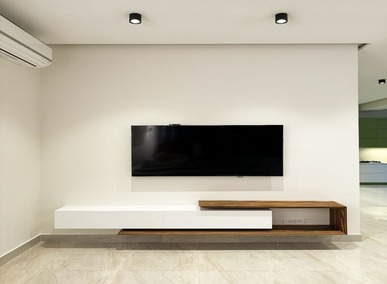
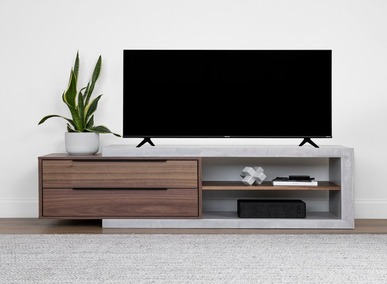
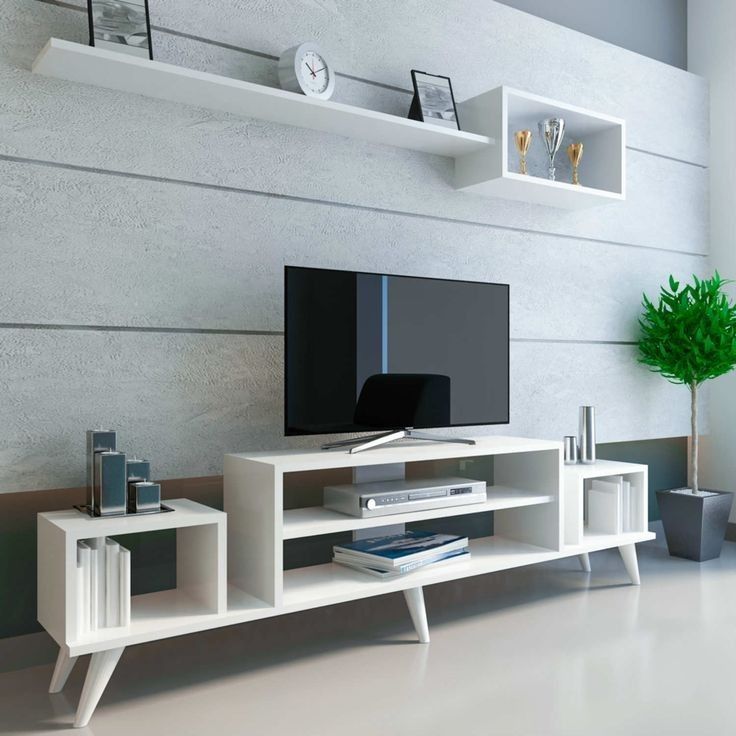
A TV stand is typically simpler and lighter in design. It mainly functions as a platform to place your television and may include open shelving underneath.
Key Features of a TV Stand:
- Open shelves for easy access
- Minimal storage options
- Compact and lightweight
- Suitable for small spaces
- Budget-friendly option
TV stands are perfect for minimal setups where you don’t require extensive storage. They work well in apartments, bedrooms, or compact living rooms.
What Is a TV Cabinet?
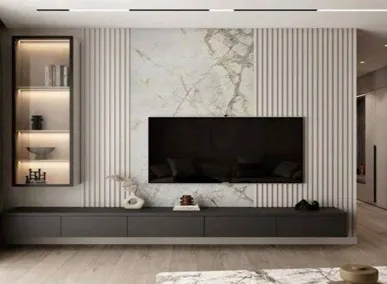
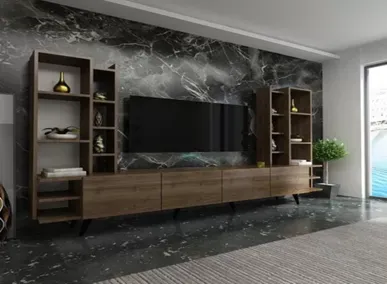
A TV cabinet is a larger, more structured furniture unit designed not only to hold your television but also to provide additional storage. It often includes drawers, closed compartments, shelves, and sometimes glass doors.
Key Features of a TV Cabinet:
Modern and luxury appearance
Enclosed storage for clutter-free organization
Multiple drawers and shelves
Strong and durable structure
Suitable for medium to large living rooms
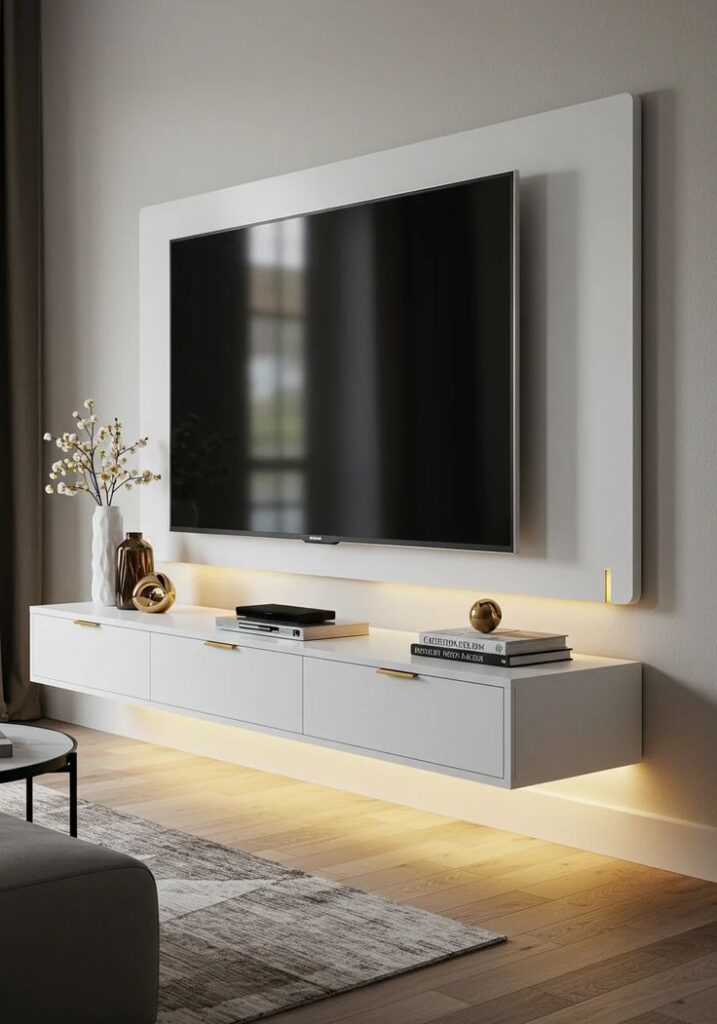
TV cabinets are ideal for people who want to hide cables, store remotes, gaming consoles, and media accessories neatly. They offer a cleaner and more polished look in the living space.
Related Products
4 Drawer TV Console with Coffee Table
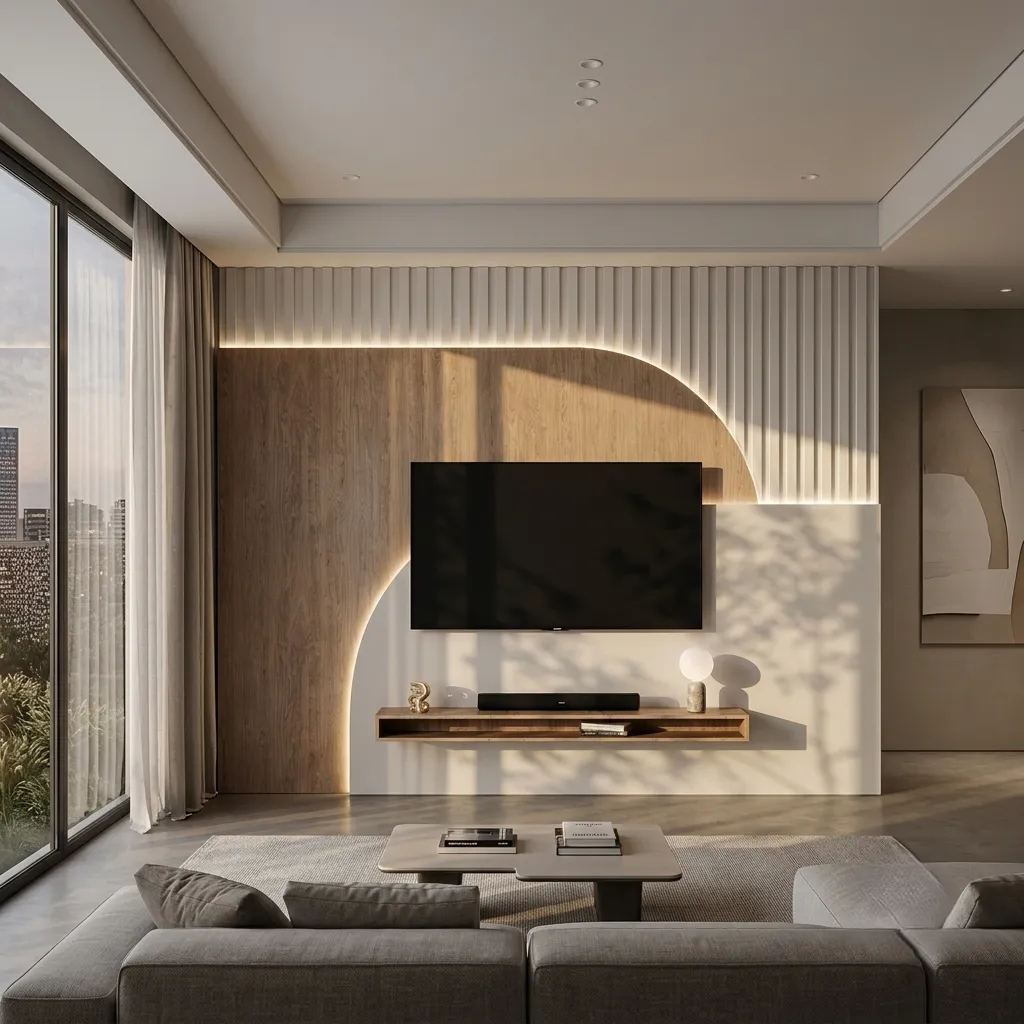
Price range: 2399AED through 5399AEDAadrex Curved Panel Entertainment Wall Unit
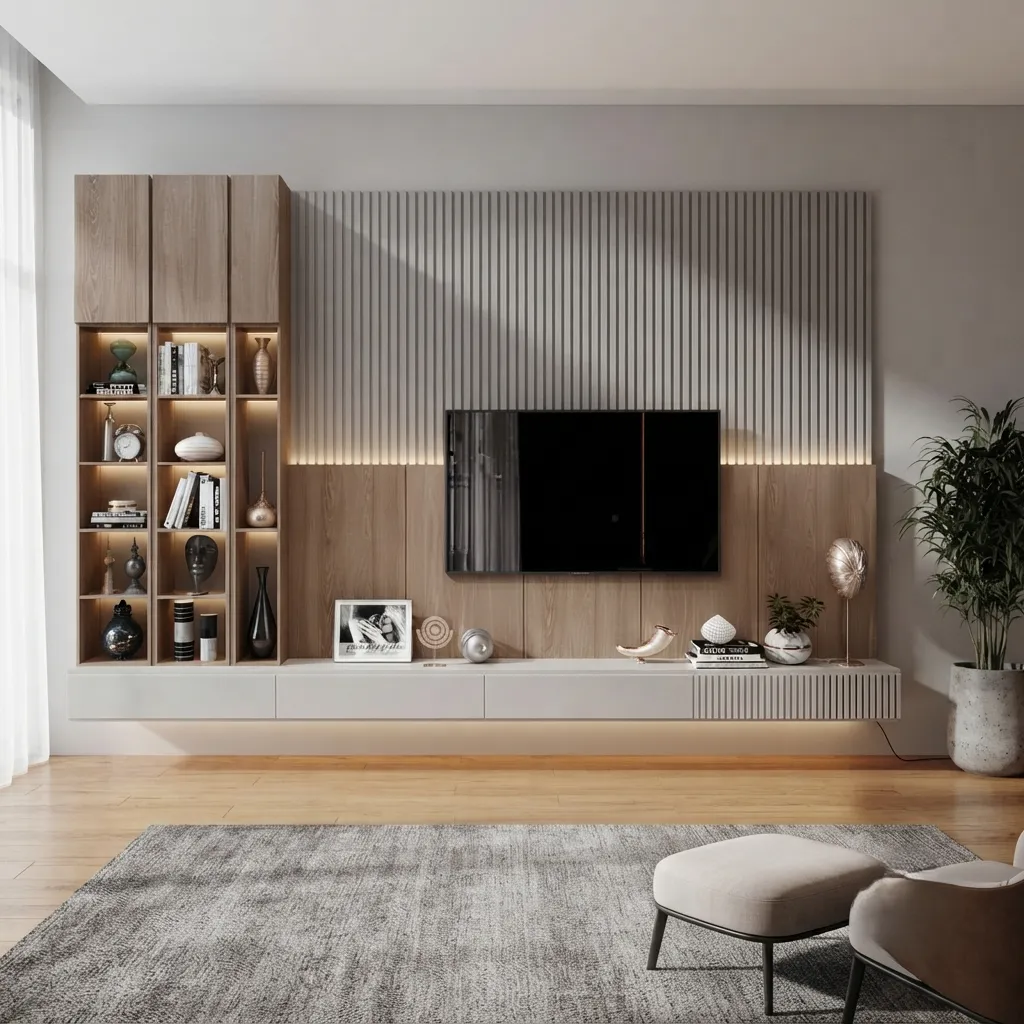
Original price was: 4600AED.2999AEDCurrent price is: 2999AED.Aadvin Floating TV Unit with Slat Wall & Shelves
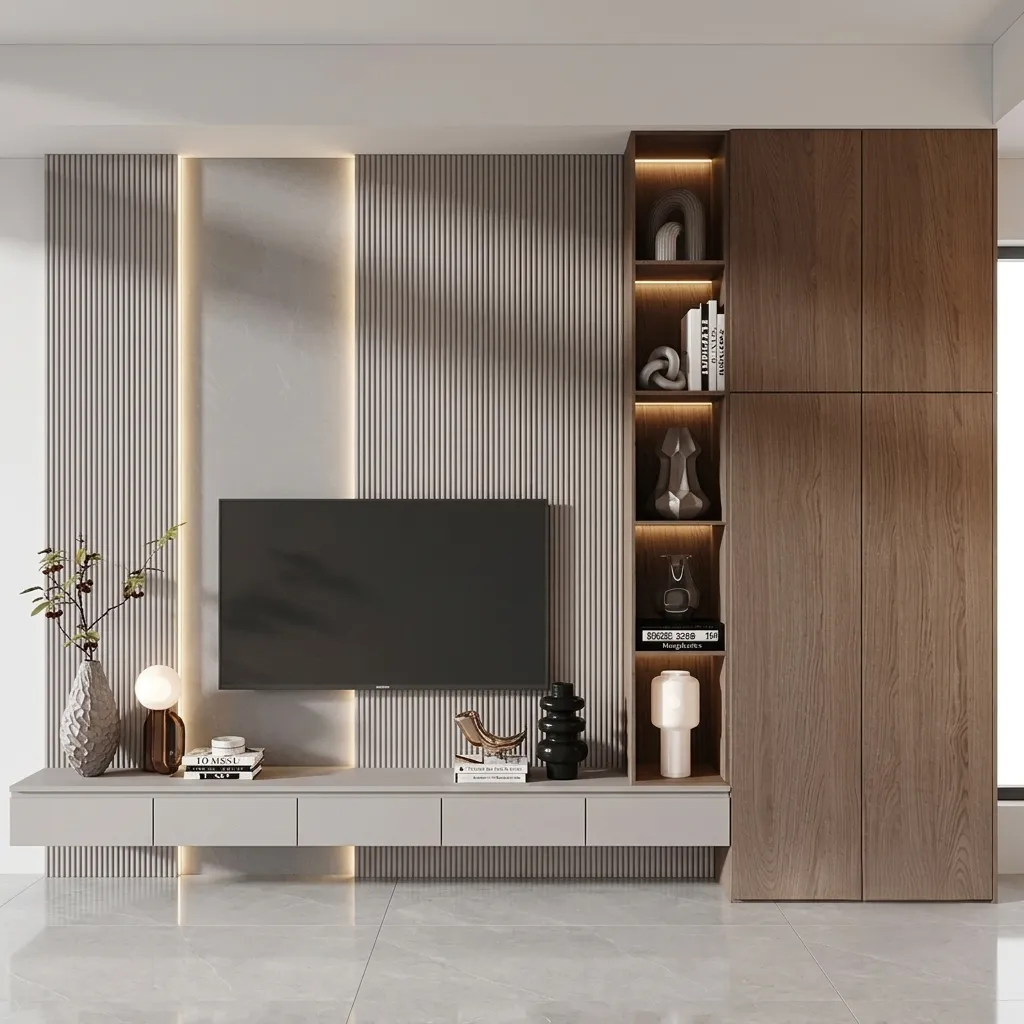
Original price was: 7900AED.5699AEDCurrent price is: 5699AED.Aalix Fluted TV Wall Panel with Storage Tower
Original price was: 7800AED.5299AEDCurrent price is: 5299AED.

Major Differences Between TV Cabinet and TV Stand
Here’s a clear comparison to help you decide:
1. Storage Capacity
TV cabinets offer more enclosed storage, while TV stands usually have open shelves with limited compartments.
2. Design and Appearance
TV cabinets look more substantial and luxurious. TV stands have a simpler, minimalist design.
3. Space Requirement
TV cabinets need more floor space due to their size. TV stands are better for smaller areas.
4. Cable Management
Cabinets often come with built-in cable management solutions, helping maintain a clean look. TV stands may leave wires visible.
5. Price Range
TV cabinets are generally more expensive because of their size and storage features. TV stands are usually more affordable.
Which One Should You Choose?
Your decision depends on your lifestyle and room setup.
Choose a TV cabinet if:
- You need extra storage
- You want a premium look
- You prefer concealed compartments
- You have a spacious living room
Choose a TV stand if:
- You’re working with a smaller budget
- You have limited space
- You prefer a minimalist style
- You don’t need much storage
Consider Your Living Room Layout
Before purchasing, measure your space carefully. Ensure there is enough room for walking space around the furniture. Also consider the size of your TV — the unit should always be wider than the television for balance and stability.
Think about your interior style as well. A modern living room may suit a sleek cabinet with clean lines, while a casual setup might look great with a simple stand.
Final Thoughts
The debate between TV cabinet vs TV stand ultimately comes down to storage, space, and style preferences. If you want functionality with a refined look, a TV cabinet is often the better investment. However, if simplicity and space-saving design are your priorities, a TV stand will work perfectly.
Understanding these differences ensures you select furniture that complements your home while meeting your practical needs.